Top 10 Prebuilt Homes You Should Consider Today?
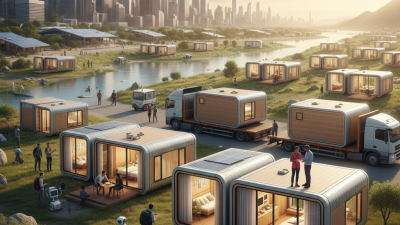
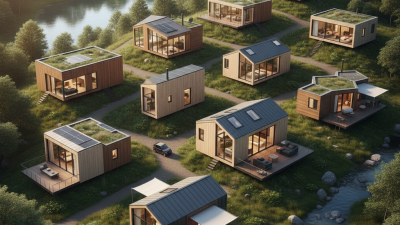
In today's fast-paced world, the demand for efficient living solutions is on the rise. Prebuilt homes offer an attractive option for many homebuyers. These homes are constructed off-site and then transported to their final location. This method can significantly reduce building time and cost.
Choosing the right prebuilt home can be overwhelming. With a variety of styles and features available, finding a perfect match for your lifestyle is essential. Each home style comes with unique advantages and drawbacks. A standard design may lack the personal touch you desire. Conversely, a highly customized model may stretch your budget.
Understanding the market is vital when considering prebuilt homes. Each option has its own set of pros and cons. It's essential to evaluate factors like energy efficiency, aesthetics, and available space. Take the time to reflect on your specific needs and priorities. Your ideal prebuilt home should align with your vision and values.
Overview of Prebuilt Homes: Definition and Advantages
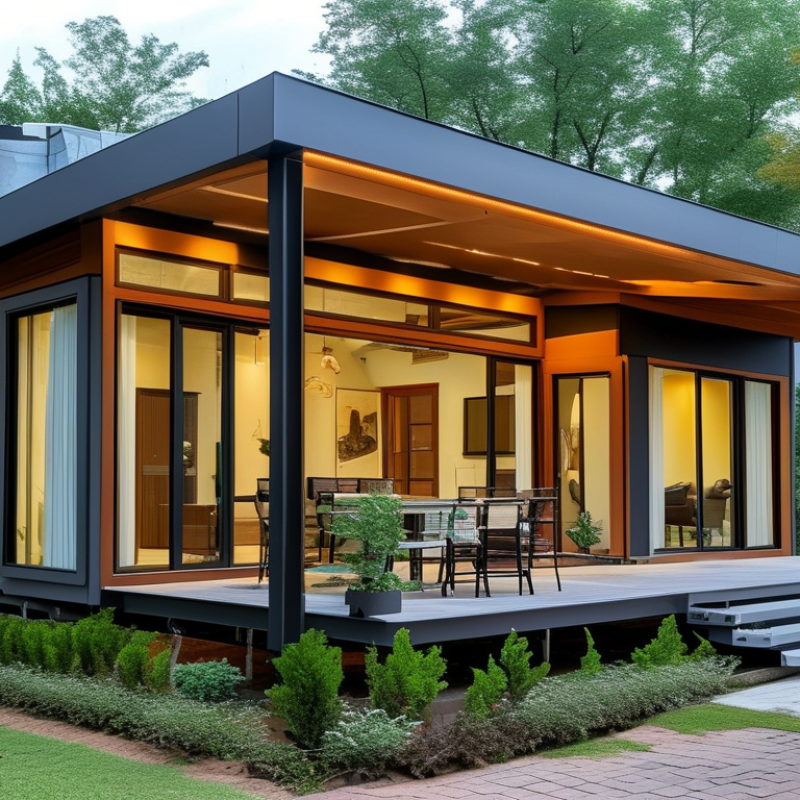
Prebuilt homes, also known as prefabricated homes, offer a modern solution to traditional housing. These homes are constructed in sections or modules, then transported to the building site for assembly. This method provides several advantages. First, the construction time is significantly reduced. Homeowners can move in sooner. Second, the cost is often lower compared to conventional building methods. This allows for better budget management.
When considering prebuilt homes, explore the designs that suit your style. Many offer various floor plans, finishes, and eco-friendly options. Pay attention to energy efficiency. Some models boast solar panels and superior insulation. These features greatly reduce utility bills and environmental impact.
Tips: Examine local zoning regulations before purchasing. Ensure the home complies with local building codes. Research different materials used in construction. Quality varies, and this affects durability and maintenance down the line. Don’t forget to consider the resale value. Some prebuilt homes hold their value well, while others might not. Additionally, involve a professional inspector to avoid major surprises later.
Top 10 Prebuilt Homes You Should Consider Today
This chart represents a comparison of popularity scores for different types of prebuilt homes. Each type is evaluated based on factors such as design, sustainability, and market demand, providing insights for potential buyers.
Key Considerations When Choosing a Prebuilt Home
When choosing a prebuilt home, location plays a crucial role. Consider the neighborhood's development, access to public transport, and proximity to schools. A great location enhances both your living experience and future resale value. Don't overlook local amenities like parks or shopping options, as these can significantly impact your lifestyle.
Another vital factor is the layout and design of the home. Think about how the space fits your needs. Are there enough bedrooms? Is the living area open and inviting? Reflect on your daily routines and which features will make your life easier. Small details can greatly affect your comfort and happiness.
Lastly, evaluate the builder's reputation. Look for companies with a solid track record in quality and customer service. Investigate reviews and ask for recommendations. If a builder has multiple complaints, that could be a red flag. Trustworthy builders often provide clear warranties and support after purchase, ensuring peace of mind.
Top 10 Prebuilt Homes You Should Consider Today
| Model |
Size (sq ft) |
Price ($) |
Bedrooms |
Bathrooms |
Energy Efficiency |
| Eco Home |
1,500 |
250,000 |
3 |
2 |
A+ |
| Modern Cabin |
1,200 |
230,000 |
2 |
1 |
A |
| Family Retreat |
2,000 |
320,000 |
4 |
2.5 |
A |
| Tiny House |
400 |
70,000 |
1 |
1 |
B+ |
| Luxury Villa |
2,500 |
600,000 |
5 |
4 |
A++ |
| Craftsman Home |
1,800 |
280,000 |
3 |
2 |
B |
| Modular Family Home |
2,200 |
350,000 |
4 |
3 |
A+ |
| Sustainable Loft |
1,000 |
200,000 |
2 |
1 |
A |
| Urban Chic Home |
1,700 |
330,000 |
3 |
2 |
A+ |
Top 10 Prebuilt Homes: Features and Specifications
In recent years, prebuilt homes have gained significant popularity. These homes offer a streamlined construction process, often reducing time and costs. According to the National Association of Home Builders, prebuilt homes can be constructed in 30-50% less time than traditional methods. This is appealing for prospective homeowners seeking efficiency and affordability.
When considering features, focus on energy efficiency and sustainability. Many modern prebuilt homes use eco-friendly materials. Reports indicate that energy-efficient homes can save up to 30% on utility bills. Look for homes that include high R-value insulation, double-glazed windows, and Energy Star appliances. These specifications ensure long-term savings and comfort.
**Tips:** Assess the home’s warranty coverage. A good warranty protects your investment. Also, ensure the home meets local building codes. This prevents future legal and financial issues.
While prebuilt homes are convenient, inspect construction quality carefully. Some may sacrifice durability for speed. Evaluate the materials used and the contractor’s reputation. Inconsistent quality can lead to challenges later, so thorough research is crucial.
Comparative Analysis of Pricing for Each Prebuilt Home Option
The prebuilt home market has been gaining traction as more people seek affordable housing options. According to a recent report by the Modular Building Institute, the average cost of prebuilt homes ranges from $100 to $200 per square foot. This price varies significantly based on location, materials, and customizations. In urban areas, costs can escalate, sometimes exceeding $250 per square foot. Buyers must weigh the benefits of speed and efficiency against potential price fluctuations.
Another critical factor in pricing is the type of prebuilt home. For instance, tiny homes can start at around $20,000, appealing to budget-conscious buyers. Alternatively, larger, more luxurious prebuilt homes can easily reach $600,000. Residents should research the total costs associated with land preparation and utilities. Often, these additional expenses can alter the overall budget significantly. It's essential to consider unseen costs such as delivery and setup, which can range from a few thousand to tens of thousands of dollars.
Finally, while the prebuilt home industry is thriving, not all options are equal. Some homes may promise rapid build times but might compromise on durability or efficiency. Homebuyers should scrutinize building materials and energy efficiency ratings. This ensures their home will last and be cost-effective in the long run. A thorough evaluation of pricing, sustainability, and construction quality is vital before making a decision.
Potential Challenges of Living in a Prebuilt Home and Solutions
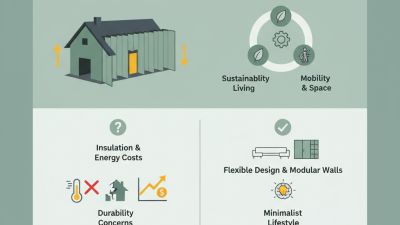
Living in a prebuilt home can present several challenges. One common issue is the lack of customization. Buyers may find that the floor plans don't match their ideal vision. This limitation can lead to frustration when settling into a space that feels generic. Thoughtful planning can help alleviate this. Adding personal touches through decor or landscaping can transform a prebuilt home into a true reflection of the owner's style.
Another potential challenge is energy efficiency. Some prebuilt homes may not meet modern energy standards. Poor insulation and outdated systems can lead to higher utility bills. Homeowners should consider upgrades. Installing energy-efficient windows or solar panels can make a significant difference. These improvements not only enhance comfort but also have a positive impact on long-term savings.
Lastly, community integration can be tough. New homeowners might feel isolated in unfamiliar neighborhoods. Building relationships with neighbors takes time and effort. Participating in local events or joining community groups can foster connections. These actions create a sense of belonging, making the transition smoother for everyone involved.