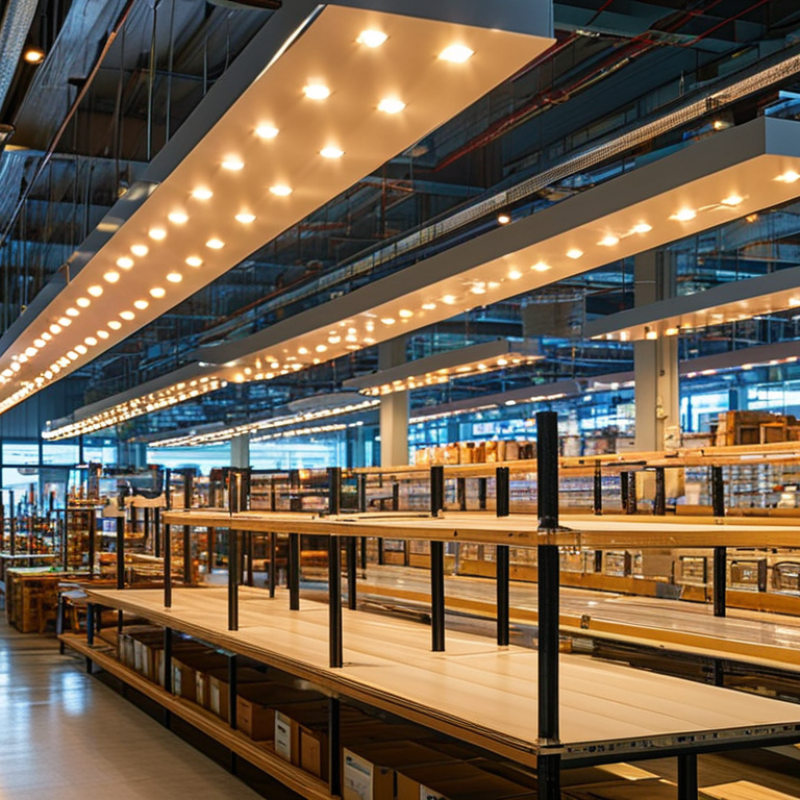
Top Tips for Choosing the Best Led High Bay Light for Your Needs?
Choosing the right Led High Bay Light is crucial for various commercial and industrial spaces. With numerous options available, it can be overwhelming to find the ideal fit. This guide aims to simplify the selection process.
Consider the specifics of your environment. Factors like ceiling height, light intensity, and energy efficiency play significant roles. Understanding your space allows you to choose a suitable Led High Bay Light. It's essential to think about the light's wattage and lumens output. A high lumen count doesn't always mean better quality.
Reflect on your needs. Are you lighting a warehouse or a retail space? Each application demands different lighting solutions. Consult with professionals when necessary. Their expertise can guide you in making informed decisions. Remember, the goal is to create a well-lit area that enhances productivity while being energy efficient.
Understanding the Different Types of LED High Bay Lights Available
When selecting LED high bay lights, understanding the different types available is crucial. There are mainly two categories: linear and round. Linear lights offer a sleek design, ideal for warehouses with long aisles. Round lights, conversely, provide a broad beam, perfect for open spaces like gymnasiums. Each type has its unique benefits tailored to specific environments.
According to the U.S. Department of Energy, LED lights consume at least 75% less energy than traditional lighting. This efficiency can significantly reduce utility costs in large facilities. However, realizing these savings requires careful planning. For example, selecting lights with appropriate lumens per watt is essential. An underwhelming option may not illuminate a space adequately. Conversely, overestimating needs might lead to excessive energy use.
It's also important to consider installation height. The higher the fixture, the more powerful the light needed to achieve desired brightness levels. Misjudging this can lead to uneven lighting. In fact, a recent study highlighted that poorly lit areas can decrease productivity by as much as 30%. This underlines the need for thoughtful choices when opting for high bay lighting solutions.
Key Factors to Consider When Selecting LED High Bay Lights
When choosing LED high bay lights, certain key factors deserve your attention. Start by evaluating your specific lighting needs. Different environments, such as warehouses or gyms, require varying levels of illumination. Consider the ceiling height, as this directly impacts the light’s efficacy. Higher ceilings may need lights with a higher lumen output to ensure adequate brightness.
Power consumption is another critical aspect. Look for energy-efficient options that provide high lumens per watt. This not only reduces electricity costs but also contributes to sustainability. You might want to consider the color temperature as well. Warmer tones promote comfort in recreational areas. Cooler tones enhance visibility in workspaces.
Selecting the right beam angle is crucial too. A narrow beam is better for high, concentrated lighting, while a wider beam covers larger areas with less intensity. Don’t forget about durability. Higher-rated IP ratings indicate better resistance to dust and moisture. Make sure to reflect on your unique settings and how these elements align with your lighting goals.
Top Tips for Choosing the Best LED High Bay Light for Your Needs
| Feature | Description | Importance |
| Lumens Output | Higher lumens indicate brighter lighting; choose based on application area size. | High |
| Wattage | Choose wattage according to energy efficiency and desired brightness. | Medium |
| Color Temperature | Measured in Kelvin (K), affects ambience; warmer tones for comfort, cooler tones for focus. | High |
| Beam Angle | Wider angles cover larger areas; narrower angles provide concentrated lighting. | Medium |
| Lifespan | Longer lifespan reduces replacement costs and maintenance. | High |
| Dimming Options | Allows adjusting brightness based on needs, improving energy savings. | Medium |
| IP Rating | Indicates resistance to moisture and dust, crucial for certain environments. | High |
Evaluating the Lumens and Watts for Optimal Lighting Needs
Choosing the right LED high bay light starts with understanding lumens and watts. Lumens measure brightness, while watts indicate energy consumption. For a space requiring bright illumination, focus on higher lumens. A retail space might need over 20,000 lumens. In contrast, a warehouse could be well-lit with around 10,000 lumens. Balancing these two factors is essential for efficiency.
Consider the application of the light. Different settings have varying requirements. An assembly line often demands direct, bright lighting. However, a gym might benefit from softer, more diffused light. It’s okay to feel overwhelmed with choices. A common mistake is prioritizing watts over lumens. This often leads to unnecessary energy use without adequate brightness. Remember, higher watts do not always mean better lighting.
Evaluate the layout of your space. The height of the ceiling influences how many lumens you need. A higher ceiling might require more powerful fixture to achieve the desired brightness. Experimenting with light placement can also yield better results. It might take a few tries to get it right. Be open to adjusting your setup for the best visual comfort.
Examining the Importance of Color Temperature in LED Lighting
When selecting LED high bay lights, color temperature is a crucial factor. It affects visibility and mood. Warmer temperatures (around 3000K) create a cozy atmosphere, suitable for retail spaces. Cooler temperatures (above 5000K) promote alertness, ideal for industrial settings. Understanding your environment helps determine the right choice.
Tips for choosing the best LED high bay lights include evaluating the space's purpose. For warehouses, opt for cooler lights that enhance clarity. In gyms or restaurants, warmer lights can foster a welcoming vibe. Always check lumen output. A light with high lumens ensures efficiency and reduces dark spots.
Consider dimmable options. They allow flexibility in brightness levels throughout the day. Flexibility enhances utility and can save energy. Reflect on how lighting influences your space. Poor color temperature can lead to fatigue or discomfort. A well-thought-out selection of LED lights elevates both functionality and ambiance.
Top Tips for Choosing the Best LED High Bay Light for Your Needs
This chart illustrates the preferences for different color temperatures among users when selecting LED high bay lights. The data indicates that 5000K lights are the most preferred, followed by 4000K and 6000K options.
Assessing the Lifespan and Energy Efficiency of LED High Bay Lights
When choosing LED high bay lights, lifespan and energy efficiency are crucial factors. Lifespan is typically expressed in hours. Many LED high bay lights offer a lifespan of 50,000 hours or more. This means they can last years with low maintenance. However, it's essential to check for warranties. A trustworthy manufacturer often provides longer warranties, indicating confidence in their product's durability.
Energy efficiency plays a vital role in reducing operational costs. High-efficiency models convert more electricity into light. This minimizes wasted energy. Look for lights with higher lumens per watt ratings. They provide more light at lower energy usage. It's worth considering the total cost of ownership. Sometimes, cheaper lights can lead to higher energy bills. In contrast, investing in energy-efficient options may lead to savings over time.
Some lights may not perform as expected. Light output can diminish over time due to thermal degradation. It’s wise to read user reviews and expert opinions before purchasing. Not all manufacturers disclose this information clearly. Doing thorough research can uncover potential issues, leading to more informed decisions. Each choice should consider both immediate needs and long-term impacts on energy consumption and maintenance.