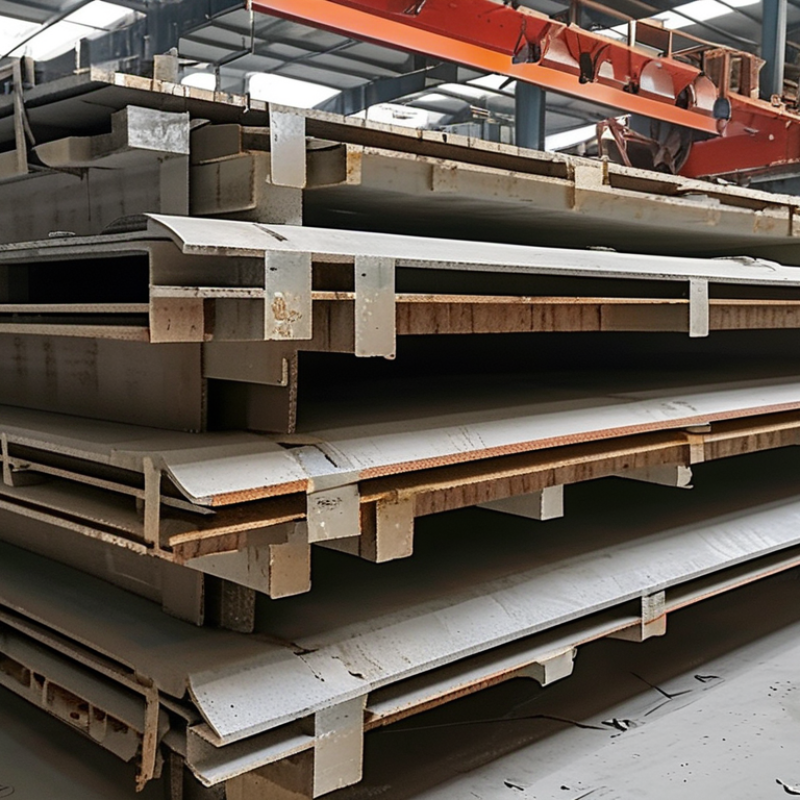
How to Choose the Best Fire Rated Mgo Board for Your Project?
Choosing the right fire-rated Mgo board for your project requires careful consideration. These boards are essential for ensuring safety in construction. They provide excellent fire resistance, durability, and moisture control.
When selecting a fire-rated Mgo board, pay attention to the specifications. Not all boards meet the same standards. Look for products that have been tested and meet local building codes. Check for reliable certifications.
Experience in the field can help you identify the best options. Local suppliers and experts can provide insights. However, it’s important to remember that not every product will suit every project. Take time to evaluate your specific needs before making a decision.
Understanding Fire Rated Mgo Boards and Their Importance
Fire rated Mgo boards have become essential in modern construction. These boards are designed to resist fire and provide protection. Many buildings now face strict fire safety regulations. Understanding these boards is crucial for any project.
Fire rated Mgo boards are made from magnesium oxide. This material offers many advantages. It is non-combustible and highly durable. They perform well in high-temperature conditions. However, not all Mgo boards are created equal. Some may lack adequate fire resistance. Research is vital before making a choice.
When selecting fire rated Mgo boards, consider their rating. Higher ratings indicate better fire resistance. Check for certifications and testing results. Look at installation methods too. Poor installation can compromise effectiveness. Evaluate your project's specific needs. Every project is unique, and a one-size-fits-all approach might not work. Always consult with professionals who understand the nuances of fire rated materials. This will enhance safety and compliance.
Key Factors to Consider When Selecting Fire Rated Mgo Boards
Choosing the right fire rated Mgo board is crucial for your project. Several factors are essential for making this decision. First, consider the board's fire resistance rating. This rating indicates how long the material can withstand fire before compromising its structural integrity. Look for boards with high ratings for added safety.
Additionally, pay attention to the thickness and density of the Mgo board. Thicker boards often provide better insulation and fire resistance. The density can affect strength and durability. Be sure to evaluate these specifications carefully.
Another factor is ease of installation. Heavy or oversized boards can impact the efficiency of your project. Ensure that the board is manageable within your setup. Check for certification and compliance with local regulations. This step is critical for both safety and legality. Always prioritize products that have undergone rigorous testing. It’s easy to overlook these details, but they matter significantly in fire-rated applications.
Comparative Analysis of Different Fire Rated Mgo Board Brands
When choosing fire rated magnesium oxide (Mgo) boards, a thorough comparative analysis of various brands is crucial. Each brand may offer different performance ratings, composition, and certifications. Recent industry reports indicate that boards with a higher density often provide better fire resistance but may increase overall project weight. Reports show that boards with a fire rating of at least 1 hour can withstand temperatures up to 1000°C.
Tips: Always check the board's certification and comply with local building codes. This step ensures safety and compliance.
In addition, it is essential to consider installation ease. Some brands provide lightweight options that are simple to install, while others may require special handling due to their weight or composition. A 2022 study highlighted that nearly 30% of construction delays stem from installation difficulties. Balancing fire resistance with practical installation can be challenging, but it is vital for project efficiency.
Comparing the technical data between brands can reveal some unexpected findings. One brand may excel in fire performance, while another might offer better acoustic properties. Each project has unique demands, and understanding these differences can lead to better decision-making.
Evaluating the Performance Standards of Fire Rated Mgo Boards
When selecting a fire rated MgO board, it's crucial to evaluate its performance standards. Fire rated MgO boards are designed to resist high temperatures and hinder the spread of flames. Look for boards that meet or exceed ASTM E119 and other relevant codes. These standards ensure the board can withstand fire exposure and protect underlying structures effectively.
Consider the board's density and thickness. Denser boards generally offer better fire resistance. They can also provide improved structural strength. The appropriate thickness can enhance performance during fire conditions. Yet, thicker boards may add weight, impacting installation. Reflect on your specific project needs before deciding.
Tips: Test the board under real conditions whenever possible. Look for third-party testing and certifications. Rely on documentation to guide your choices. Don’t ignore the importance of manufacturer reputation. A trustworthy source can provide reliable products. Evaluate all options carefully, as fire safety is paramount in construction. Always revisit your selections to ensure they align with your safety standards.
How to Choose the Best Fire Rated Mgo Board for Your Project?
| Performance Criteria | Standard Rating | Test Method | Thickness (mm) | Applications |
| Fire Resistance | Class A1 | ISO 1182 | 12-20 | Wall Panels, Ceilings |
| Thermal Insulation | λ = 0.18 W/mK | ASTM C518 | 12-25 | Insulation Boards |
| Water Resistance | No Swelling | EN 12087 | 12-24 | Wet Areas |
| Impact Resistance | 5 Joules | EN 1517 | 12-18 | Flooring, Cladding |
Installation Guidelines for Fire Rated Mgo Boards in Your Project
When installing fire-rated MgO boards, precision is key. Begin by ensuring that the surface is clean and dry. This step promotes better adhesion. Cut the boards to size using a scoring knife. This ensures accurate dimensions and reduces debris. Proper cutting techniques prevent wastage and enhance the overall appearance of your project.
Tips: Always wear protective gear when handling MgO boards. Dust and particles can be harmful. Consider using a mask and goggles. Dispose of cut-offs responsibly to maintain a tidy workspace.
Pay attention to the joints when installing. Use fire-rated tape to seal edges effectively. This improves fire resistance and adds stability. Ensure the boards are tightly fitted to avoid gaps. Gaps can compromise the fire rating of your installation. Regular inspections during installation help catch mistakes early.
Tips: Test the fit of each board before final installation. This practice allows you to make adjustments as necessary. Don't rush—take your time to achieve a high-quality finish. Adhering to these guidelines helps ensure safety and reliability in your project.