Best Eye Wash and Shower Station for Safety Compliance?
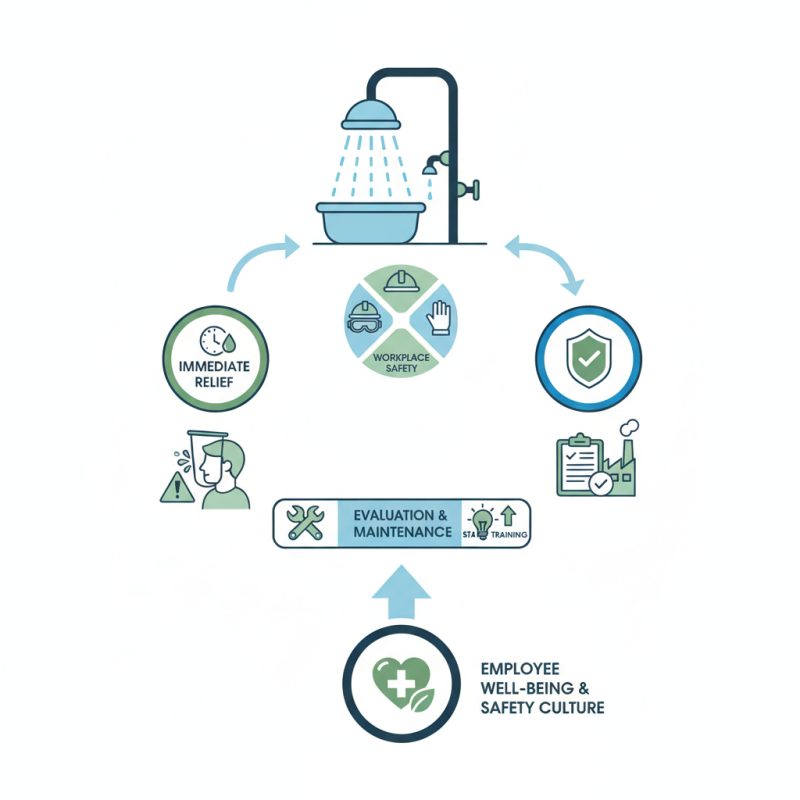
In any workplace, safety is paramount. An effective eye wash and shower station can significantly enhance employee safety during emergencies. Properly installed and maintained, these stations provide immediate relief from chemical splashes and contamination.
Companies must comply with safety regulations and ensure access to these vital safety fixtures. The placement and functionality of eye wash and shower stations can vary, leading to inconsistent safety measures. This discrepancy can leave employees vulnerable to serious injuries.
Employers should evaluate the condition and accessibility of their eye wash and shower stations regularly. Are they easy to use? Do they deliver adequate water flow? Simple checks can reveal areas needing improvement. Investing in high-quality stations and training staff on their usage reflects a commitment to workplace safety.
Types of Eye Wash and Shower Stations for Workplace Safety
In the pursuit of workplace safety, having the right eye wash and shower stations is crucial. There are several types designed to cater to different needs. Portable units are useful for remote locations. Plumbed stations are ideal for permanent installations in high-risk areas. Wall-mounted options save space and can be easily accessed when needed.
Tips for selection: Ensure the unit complies with ANSI standards. Regular maintenance checks are vital for ensuring functionality. A clear sign indicating the location of the stations should be placed. Training employees on proper use is often overlooked but is essential.
Eyewash stations with both saline and clean water are useful for various scenarios. Each workplace is different. Reflect on your specific hazards when choosing a station. Sometimes, investing in multiple types may be necessary to cover all potential risks. Keeping records of maintenance and employee training can improve safety compliance.
Best Eye Wash and Shower Station for Safety Compliance
Key Features to Consider in Eye Wash and Shower Stations
When selecting an eye wash and shower station for safety compliance, several key features must be prioritized. According to a report by the National Institute for Occupational Safety and Health (NIOSH), nearly 20,000 eye injuries occur in the workplace each year. This startling statistic underscores the necessity of having effective emergency response equipment readily accessible.
One of the critical features is the water flow rate. The American National Standards Institute (ANSI) recommends a minimum of 0.4 gallons per minute for a full 15 minutes. Stations that fail to provide adequate water flow risk ineffective flushing, which may lead to lasting eye damage. Moreover, the water temperature should ideally be lukewarm. Temperatures that are too hot or too cold can cause further injury.
Accessibility is another concern. The setup must be within 10 seconds of a hazard area, as studies show that prompt response greatly reduces injury severity. Stations should be clearly marked and unobstructed. Regular maintenance checks are essential to ensure that the equipment functions correctly.
In practice, it's often found that companies underestimate their needs. They opt for minimal solutions, which can lead to delays. This oversight could compromise employee safety. Investing time and resources into understanding specific site requirements can make a significant difference in emergency preparedness.
Regulatory Standards for Eye Wash and Shower Stations Compliance
Regulatory compliance for eye wash and shower stations is crucial in preventing workplace injuries. According to the American National Standards Institute (ANSI), stations must deliver clean water for at least 15 minutes. This duration allows for thorough decontamination after exposure to hazardous substances. Inadequate water flow can lead to significant eye damage. Not all stations meet these standards, which raises concerns in various industries.
Installations must be easily accessible. ANSI emphasizes that the path to these stations should be clear and well-marked. Delays in access can mean the difference between minor injuries and severe consequences. Despite these guidelines, many facilities still overlook proper placement. Striking a balance between compliance and practical usability is often a challenge.
Periodic testing is essential. Employers should regularly check the water temperature and flow rate. Studies show that roughly 30% of eye wash stations are noncompliant, highlighting a significant safety gap. Organizations must actively monitor their safety equipment. This is not just about meeting standards; it’s about protecting employees. Neglecting these regulations can lead to legal repercussions and damaged reputations.
Best Eye Wash and Shower Station for Safety Compliance - Regulatory Standards for Eye Wash and Shower Stations Compliance
| Station Type | Water Flow Rate (gpm) | Minimum Duration (minutes) | Temperature Range (°F) | Compliance Standards |
| Eyewash Station | 0.4 | 15 | 60 to 100 | ANSI Z358.1 |
| Emergency Shower | 20 | 15 | 60 to 100 | ANSI Z358.1 |
| Combination Station | 0.4 (eyewash) / 20 (shower) | 15 | 60 to 100 | ANSI Z358.1 |
| Portable Eyewash | 0.4 | 15 | N/A | ANSI Z358.1 |
Installation Requirements for Eye Wash and Shower Stations
When considering installation requirements for eye wash and shower stations, certain factors are crucial. These stations must be easily accessible in case of accidents. A clear path to the station should exist, free from obstructions. Ideally, eye wash stations should be within 10 seconds of any hazardous area.
Water supply is another vital aspect. The water must be tepid, between 60°F and 100°F. This temperature range ensures comfort during decontamination. Regular maintenance checks can help prevent issues, but many workplaces overlook this. A neglected station may not fully operate when needed.
Tips: Always conduct routine inspections to verify functionality. Create a checklist for maintenance. Train employees on the proper use of these stations. Make sure everyone knows their locations. Unexpected situations can arise, and being prepared is essential.
Visibility is also significant. Bright signage can alert workers to the location of eye wash and shower stations. Consider reflective strips or glow-in-the-dark features. Some facilities lack proper marking, which can delay response during emergencies. Regularly evaluate the signage and lighting to ensure they meet safety standards. An effective safety plan requires continuous improvement.
Maintenance and Testing Protocols for Eye Wash and Shower Stations
When it comes to eye wash and shower stations, proper maintenance and testing are essential. Regular inspections ensure that these safety devices are functioning correctly. Systems should provide a reliable flow of water. It is critical to check that the water is at a suitable temperature, ideally between 60°F and 100°F, to avoid discomfort during emergencies.
Testing these units should occur monthly. Record keeping is vital for compliance and accountability. Water flow should be tested, along with spray patterns, to ensure full coverage. If you notice any issues, like low pressure or abnormal functioning, it’s imperative to address them immediately. Neglect can lead to ineffective safety measures in the workplace.
Training staff on the importance of these stations is also essential. Personnel should know how to activate these systems correctly. Regular drills can enhance their readiness. Not everyone is familiar with emergency procedures, so this aspect often gets overlooked. Continuous learning and improvement in safety protocols are necessary for a compliant and secure environment.