Top 10 Prefab Tiny House Designs for Ultimate Minimalist Living
In recent years, the trend of embracing minimalism has led to a remarkable rise in the popularity of Prefab Tiny Houses. These compact living spaces represent not only a sustainable lifestyle choice but also a profound shift in how we view our homes and possessions. Architect and tiny house advocate Ryan Mitchell once stated, “Living in a Prefab Tiny House challenges you to rethink your relationship with material goods and space.” This perspective resonates deeply as more people seek to simplify their lives and reduce their environmental footprint.
Prefab Tiny Houses offer innovative designs that maximize functionality while minimizing excess. With their prefabricated elements, these homes are not only efficient to build but also customizable, reflecting the individual tastes of their inhabitants. As we delve into the top ten Prefab Tiny House designs, we will explore how these homes embody the essence of minimalist living, showcasing creativity and practicality. The journey into this increasingly popular lifestyle reveals the numerous benefits of scaling down, whether it be financial savings, reduced ecological impact, or the joy of a clutter-free environment. Join us as we uncover the ultimate designs that inspire a return to simplicity and encourage a more intentional way of living in harmony with our surroundings.

Overview of Prefab Tiny Houses and Their Appeal
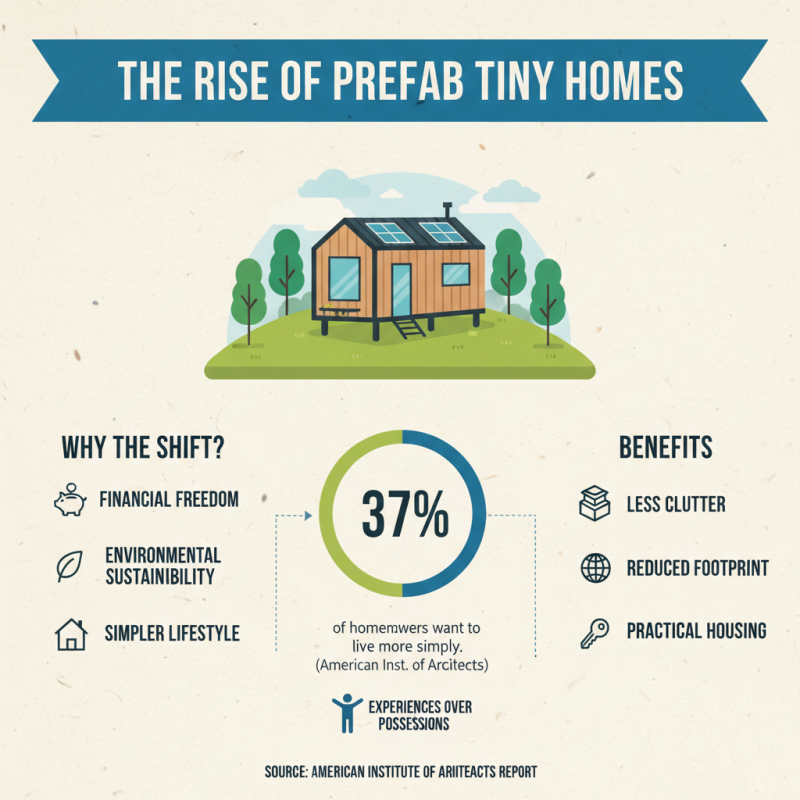
Prefab tiny houses have surged in popularity as a solution for those seeking minimalist living. Driven by the desire to downsize for financial freedom, simpler lifestyles, and environmental sustainability, these homes present not only a practical alternative to traditional housing but also a way to embrace a less cluttered life. According to a report by the American Institute of Architects, the tiny house movement aligns with a growing trend where 37% of surveyed homeowners express interest in living more simply. This demographic shift indicates a notable change in societal values, prioritizing experiences over possessions.
The appeal of prefab tiny houses lies in their efficient use of space and environmentally friendly construction methods. With a typical size ranging from 100 to 500 square feet, these homes minimize resource consumption while maximizing functionality. A study by the National Association of Home Builders highlights that individuals living in smaller spaces tend to report higher levels of happiness and lower stress, linking minimalist living to enhanced quality of life. Additionally, prefab constructions often utilize sustainable materials and energy-efficient systems, reinforcing the appeal for environmentally conscious buyers. This perfect blend of affordability, efficiency, and sustainability makes prefab tiny houses a leading choice in the contemporary housing landscape.
Key Features of Prefab Tiny House Designs
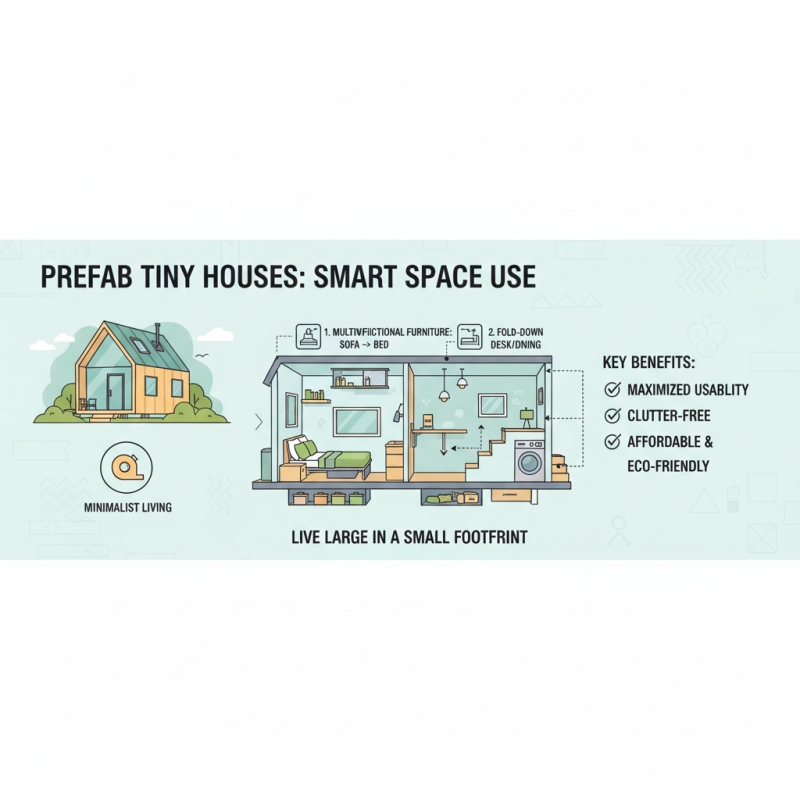
Prefab tiny houses have gained popularity among minimalist living enthusiasts, offering a blend of functionality and style. One of the key features of these designs is their efficient use of space. Each square foot of a prefab tiny house is thoughtfully planned to maximize usability, often incorporating multifunctional furniture that transforms to serve various purposes. For instance, a simple sofa can convert into a bed, and tables may fold down when not in use, allowing residents to live comfortably without sacrificing essential amenities.
Another hallmark of prefab tiny house designs is their sustainability. Many of these homes are constructed with eco-friendly materials and feature energy-efficient systems. Large windows not only promote natural light and open up the interiors but also connect the living space to the outdoors, which enhances the sense of spaciousness. Additionally, many designs utilize insulation and renewable energy sources, such as solar panels, to minimize environmental impact and reduce utility costs, making them an appealing choice for those prioritizing environmentally responsible living.
Top 10 Innovative Designs for Minimalist Living
Innovative designs in prefab tiny houses have revolutionized the concept of minimalist living, offering practical solutions that prioritize efficiency and functionality. These structures often incorporate multifunctional furniture and clever spatial arrangements to maximize every square foot.
For instance, a lofted bed can create additional living space below, while modular storage options allow homeowners to keep their belongings organized without cluttering their environment. By integrating sustainable materials and energy-efficient technologies, these designs not only minimize the ecological footprint but also help residents achieve a serene and harmonious lifestyle.
Moreover, the aesthetic appeal of these tiny homes complements their practicality. Clean lines, natural light, and open layouts create a sense of spaciousness, making even the smallest of spaces feel inviting. Designers often embrace minimalism by selecting a neutral color palette and incorporating large windows that blur the lines between indoors and outdoors. This connection with nature enhances the overall living experience and fosters a sense of tranquility, which is essential for those pursuing a simplified lifestyle. Ultimately, these innovative prefab tiny house designs embody the essence of minimalism, encouraging us to prioritize what truly matters in our lives.
Materials and Sustainability in Tiny House Construction
As the trend of minimalist living gains momentum, prefab tiny houses are becoming increasingly popular due to their efficient designs and sustainable building practices. Materials play a crucial role in the construction of these homes, influencing not just their ecological footprint, but also their overall durability and functionality. Utilizing eco-friendly materials like reclaimed wood, bamboo, and recycled steel, builders can create structures that are both stylish and sustainable. These materials not only reduce waste but also promote a healthier living environment by limiting the use of toxic substances commonly found in traditional construction.
Tips for selecting the right materials for your tiny house include prioritizing local sourcing to minimize transportation emissions, opting for energy-efficient insulation to reduce heating and cooling costs, and considering the long-term maintenance and durability of materials. When using reclaimed wood, for example, it's essential to ensure it's free of harmful chemicals and safe for indoor use. Additionally, integrating renewable energy sources, such as solar panels, can enhance sustainability by lessening reliance on non-renewable resources.
Emphasizing sustainability in tiny house construction not only aids in reducing one's ecological footprint but also fosters a lifestyle that values simplicity and efficiency. Choosing sustainable materials encourages mindful consumption and promotes the idea of living harmoniously with nature. By aligning your design choices with sustainability principles, your tiny house can become a model for eco-conscious living.
Maximizing Space: Interior Design Tips for Tiny Homes
Creating a functional and aesthetically pleasing interior in a tiny home can be both challenging and rewarding. One of the key strategies for maximizing space is to embrace multi-purpose furniture. Items like a sofa that converts into a bed or a dining table that can be collapsed when not in use can significantly enhance the utility of a small living area. This approach not only helps in reducing clutter but also creates a more open environment, allowing for a seamless flow between different zones within the home.
Additionally, incorporating vertical storage solutions can further optimize the limited space. Shelves that reach the ceiling, wall-mounted hooks for hanging items, and even utilizing the space under stairs for storage can free up valuable floor area. Using light colors for walls and furnishings can also create an illusion of more space, making the tiny home feel larger. By keeping the design simple and integrating these clever interior design tips, residents can enjoy a minimalist lifestyle while maintaining comfort and functionality in their prefab tiny homes.
Top 10 Prefab Tiny House Designs for Ultimate Minimalist Living
This chart illustrates the square footage of the top 10 prefab tiny house designs, highlighting the varying sizes that cater to minimalist living while maximizing space effectively.