How to Create Sustainable Mini Homes for Modern Living?
In the fast-paced world of modern living, "mini homes" are gaining attention as an innovative solution to sustainable housing. Expert architect Sarah Johnson states, “Mini homes offer a unique way to balance functionality with eco-conscious design.” These compact living spaces embody the principles of sustainability while catering to the needs of urban dwellers. They integrate energy-efficient materials and systems to reduce our carbon footprint, yet they also challenge conventional ideas of spaciousness.
The vision of a mini home can feel inspiring, but it is not without its hurdles. Designing a space that feels comfortable and functional, despite its size, requires thoughtful planning. Every inch counts. Many enthusiasts believe that minimalism leads to a simpler life, yet it may also prompt a reevaluation of personal possessions. The appeal of "mini homes" lies in their clever use of space and resources, but not every design achieves this ideal.
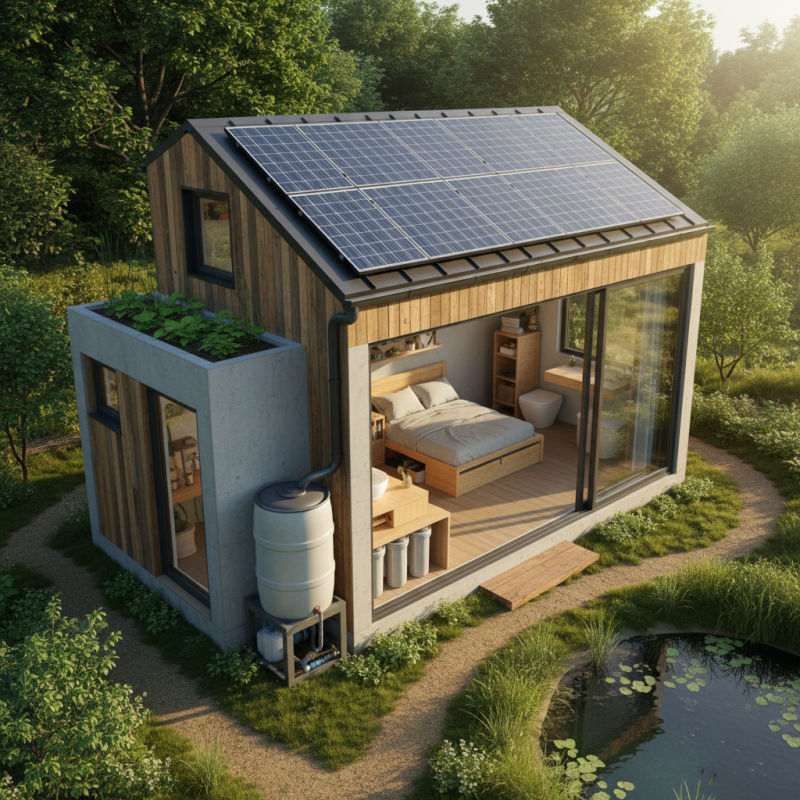
Creating a sustainable mini home involves exploring new technologies and materials. Innovative features can include solar panels, rainwater collection systems, and composting toilets. However, some designs struggle with aesthetics or livability. As we embrace this trend, it is crucial to reflect on our individual needs and how they align with sustainable principles. The journey of mini home living invites both opportunity and challenge.
The Rise of Mini Homes: Market Trends and Sustainability Insights
The mini home trend is growing rapidly. Many people are drawn to their simplicity and eco-friendliness. These homes often come with fewer square feet. This leads to lower energy consumption. However, sustainability can be challenging.
Building a mini home requires careful material selection. Eco-friendly materials help reduce the carbon footprint. Yet, some choices may not be widely available. For example, bamboo is a great option. But sourcing it sustainably is essential. Not all suppliers follow ethical practices, which can be frustrating for builders.
Design plays a crucial role in sustainability. Efficient layouts maximize space. Multi-functional furniture can save room. But sometimes, it can feel crammed. Balancing comfort and minimalism is tricky. Reflecting on personal needs is vital. Mini homes are a lifestyle choice, and not everyone will find them comfortable.
How to Create Sustainable Mini Homes for Modern Living?
| Feature |
Description |
Benefits |
Market Trend |
| Eco-friendly Materials |
Using renewable resources like bamboo, reclaimed wood, or recycled metal. |
Reduces environmental impact and promotes sustainable practices. |
Increasing demand for green building materials. |
| Energy Efficiency |
Incorporating solar panels and energy-efficient appliances. |
Lower utility bills and reduced carbon footprint. |
Growth in the market for renewable energy solutions. |
| Compact Design |
Efficient use of space with multifunctional furniture. |
Maximizes livable space and minimizes waste. |
Rising popularity of minimalist lifestyles. |
| Water Conservation |
Installation of rainwater harvesting and greywater systems. |
Reduces water consumption and reliance on municipal water sources. |
Growing awareness of water scarcity issues. |
| Smart Home Technology |
Integration of smart thermostats, lighting, and security systems. |
Enhanced convenience and increased energy savings. |
Rapid growth in smart home device adoption. |
Essential Features of Sustainable Mini Homes for Eco-Friendly Living
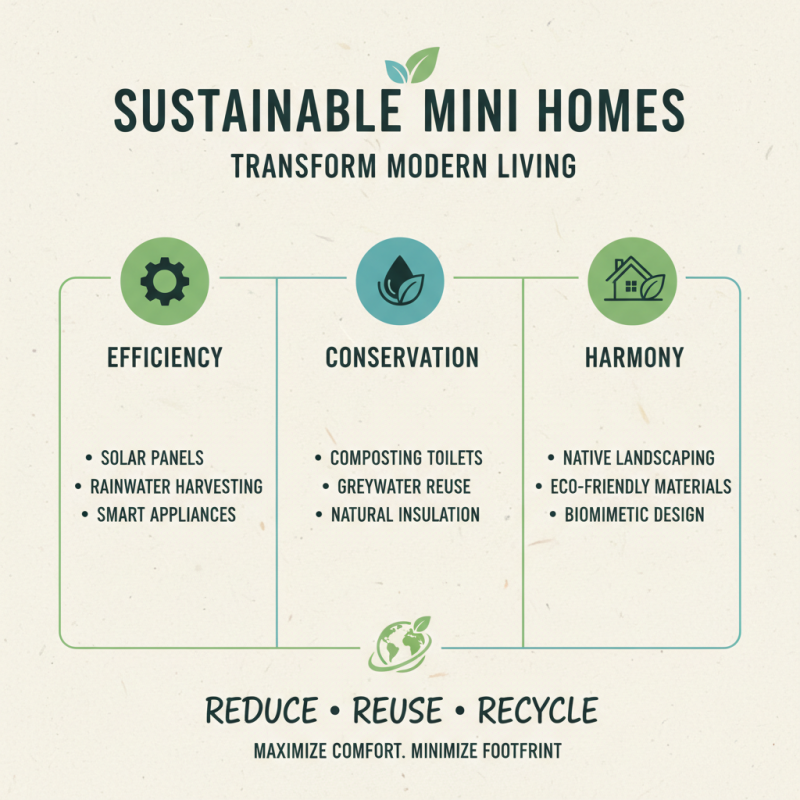
Sustainable mini homes can transform modern living. These homes focus on efficiency, conservation, and harmony with nature. To create a truly eco-friendly mini home, consider essential features that reduce your carbon footprint while maximizing comfort.
One vital element is passive solar design. Ensuring windows face the sun allows natural light and warmth. This reduces the need for artificial lighting. Insulation is equally important. Properly insulated walls, roofs, and floors help maintain a comfortable temperature year-round. Use materials like recycled denim or cellulose for better sustainability.
Tip: Incorporate rainwater harvesting systems. Collecting rainwater for gardening or household use promotes conservation. Another valuable aspect is using local, sustainable materials. It not only minimizes transportation emissions but also supports local economies.
While planning your mini home, reflect on your energy sources. Solar panels can provide clean energy, but they often require significant upfront costs. Balance your desires with practicality in mind. Small changes can lead to larger impacts on the environment and your living standard.
Innovative Materials and Technologies in Mini Home Construction
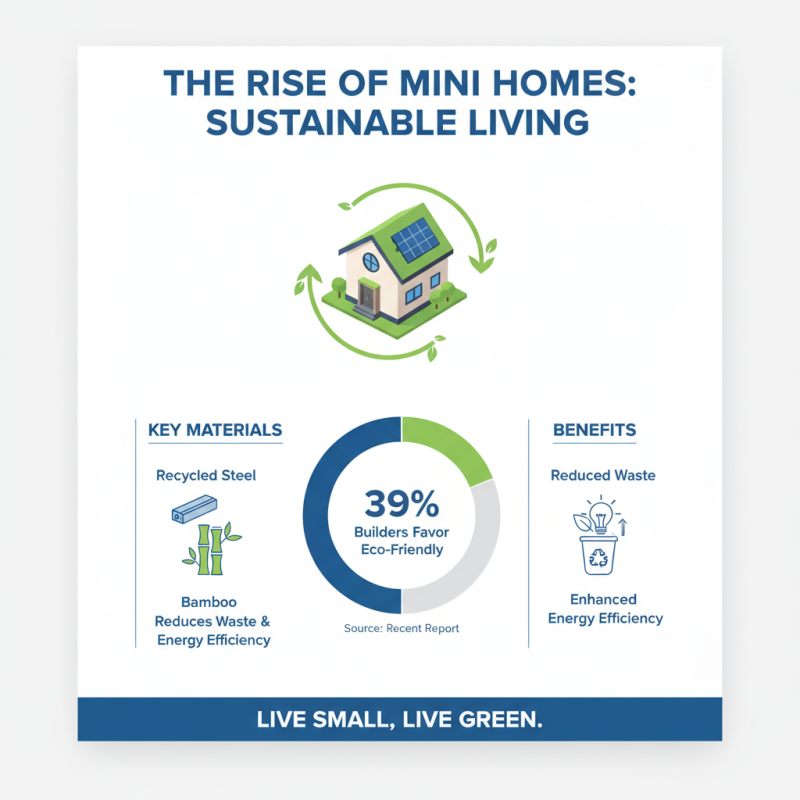
The rise of mini homes reflects a growing desire for sustainable living. Innovative materials play a key role in this trend. For instance, recycled steel and bamboo are becoming popular. According to a recent report, 39% of builders favor eco-friendly materials in construction. These choices reduce waste and enhance energy efficiency.
Advanced technologies are transforming mini home design. Adaptive insulation systems now adjust to temperature changes automatically. This can lead to energy savings of up to 30%. Smart home technologies also contribute to sustainability. They monitor energy usage and help owners make informed decisions. However, the initial cost of integrating technology can be a barrier for some.
Moreover, builders face challenges with material sourcing. While environmentally friendly options are available, they aren’t always accessible. Quality and durability can vary, raising concerns during construction. Some people still question whether these materials will stand the test of time. The idea of "smaller is better" needs a critical look. As the mini home movement grows, balancing sustainability with practicality remains essential.
Energy Efficiency Standards for Sustainable Mini Homes
Energy efficiency is crucial for designing sustainable mini homes. According to the U.S. Department of Energy, homes account for 22% of greenhouse gas emissions in the country. Mini homes, often smaller than 500 square feet, can significantly reduce this footprint. They use fewer resources, heating, and cooling. Smart design choices in insulation and ventilation can amplify these benefits.
Adhering to energy efficiency standards is key. The International Energy Conservation Code (IECC) provides guidelines that help maintain optimal energy use. For example, it recommends specific insulation levels that vary by region. Homes following these guidelines can save up to 30% on utility bills. Nevertheless, achieving these standards presents challenges. Sourcing quality materials can be tough. Additionally, builders may struggle with the balance between cost and efficiency.
Ventilation systems are vital. Efficient heat recovery ventilators can minimize energy loss while ensuring fresh air circulation. A 2021 report by the Energy Efficiency Association noted that integrating such systems could enhance indoor air quality by 50%. However, not every mini home includes these systems. Unintended air leaks can exist, leading to energy wastage. Energy audits may uncover these inefficiencies, prompting necessary adjustments.
Financial Benefits of Investing in Sustainable Mini Homes
Investing in sustainable mini homes offers significant financial benefits. These compact living spaces require fewer materials, reducing initial construction costs. Lower utility bills also make sustainable options attractive. Energy-efficient systems help homeowners save money long-term.
However, these homes come with challenges. They often need creative space solutions to maximize functionality. Some buyers may find zoning laws restrictive. This can complicate placement and design.
Nevertheless, many owners appreciate the reduced environmental footprint and the chance to simplify their lives.
The lifestyle shift towards mini homes can be daunting. Simplicity often requires tough decisions about belongings. The promise of living with less is appealing. Yet, it demands personal reflection and compromise.
Embracing this new approach can lead to unexpected financial advantages in a more sustainable future.