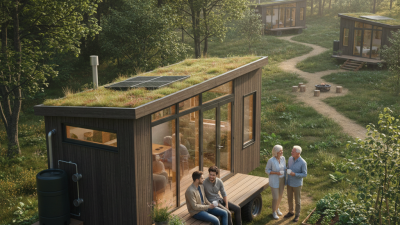
Are Expandable Container Houses the Future of Affordable Living?
In recent years, discussions around affordable living have gained momentum. Many people are looking for viable housing solutions. The "expandable container house" has emerged as a strong contender. Experts see it as a game-changer. John Smith, a leading architect in sustainable housing, states, “Expandable container houses can reshape the way we think about affordable living.”
These modular homes offer flexibility and efficiency. They can be easily transported and assembled in various locations. One can envision a neighborhood filled with these innovative structures, each tailored to its environment. However, challenges remain. These houses can sometimes lack character or permanence. Not everyone might appreciate their industrial look.
Moreover, zoning laws and community acceptance can pose hurdles. While the vision is promising, it requires collective effort and adjustment. The idea is intriguing, but it also sparks conversations about livability and design. The future of expandable container houses could redefine affordable living, yet it needs careful consideration and planning.
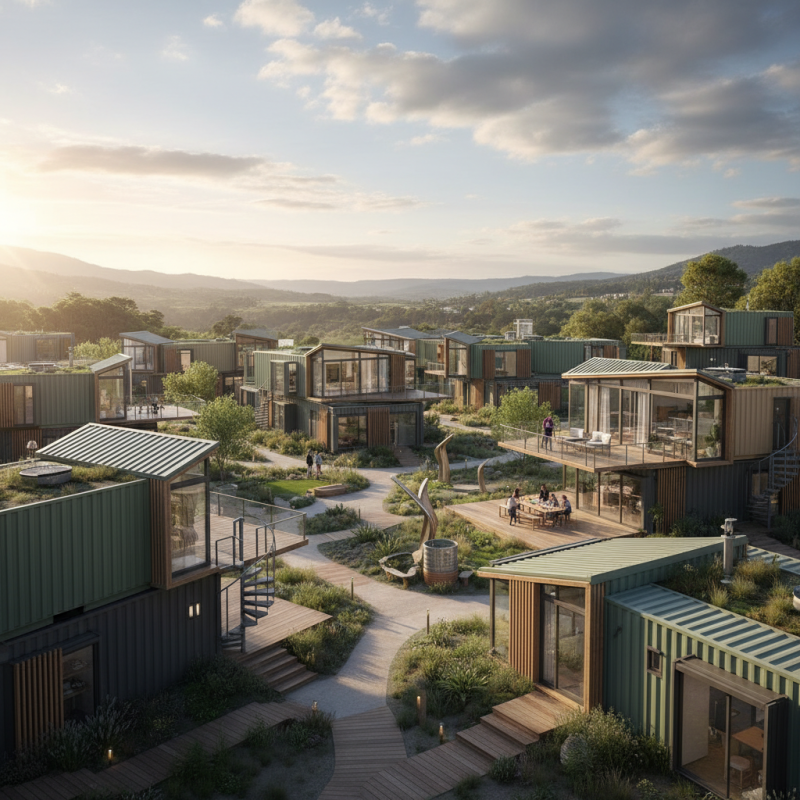
Benefits of Expandable Container Houses for Affordable Living
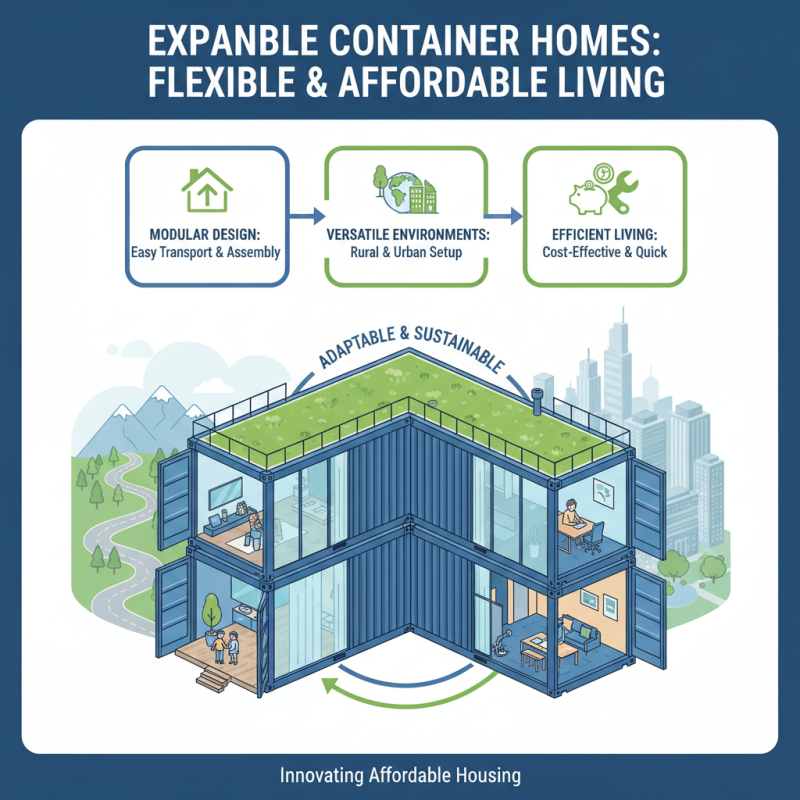
Expandable container houses are changing the way we think about affordable living. These structures offer flexibility and efficiency. Their modular design allows them to be easily transported and assembled. Setting them up in different types of environments is a breeze. Imagine a cozy home in a rural area or a vibrant urban space, all made from shipping containers.
One significant benefit is cost-effectiveness. Building with containers can save money on materials. Yet, there are different costs associated with insulation, plumbing, and electricity. Life in a container home may require careful planning. Not everyone is used to smaller spaces. Some might feel confined, and that’s something to consider.
Sustainability is another appealing factor. Repurposing containers means less waste. However, the environmental impact isn't zero. Many owners are exploring how to make their homes fully green. Designing a comfortable space requires creativity. Limited room might inspire unique solutions and innovative furniture designs. There is beauty in simplicity, but it also brings challenges. Balancing minimalism with personal comfort is an ongoing journey.
Design and Construction Features of Expandable Container Houses
Expandable container houses are gaining traction as a viable solution for affordable living. Their design incorporates modular elements, allowing easy transportation and assembly. According to a report by the Container Housing Association, the global market for container homes is projected to reach over $73 million by 2025. This growth highlights a rising interest in sustainable living solutions.
Construction features of these homes are impressive yet still evolving. Made from repurposed shipping containers, they offer durability and cost-effectiveness. A typical expandable unit can be set up in just a few hours. Additionally, these houses can be designed to maximize space with features like pull-out sections. However, the challenge remains in ensuring adequate insulation and energy efficiency. Some builders report difficulties in achieving eco-friendly certifications.
Despite their potential, criticisms exist. The aesthetic appeal can be polarizing. Some find the industrial look uninviting. There are also concerns about the longevity of materials in certain climates. Future designs need to address these flaws while maintaining affordability. Community feedback is key to refining these living solutions. Exploring unique architectural adaptations may enhance their acceptance.
Sustainability and Environmental Impact of Container Housing
Container houses offer an intriguing way to rethink affordable living. Their design utilizes shipping containers, providing mobility and affordability. However, these homes aren't without challenges. Insulation is vital but often overlooked. Poor insulation can lead to high energy costs.
Sustainability is a double-edged sword. The materials can be recycled, yet they still contribute to waste if not managed well. Some benefit from a reduced footprint, yet the materials require significant energy to produce. Container homes can promote sustainability but might lead to unintended consequences if rushed.
The environmental impact of container housing raises questions. Do they truly solve the housing crisis, or are they merely a temporary fix? While they provide a unique solution, improper planning can create cramped, uncomfortable spaces. Thoughtful design and planning are crucial for genuine sustainability.
Are Expandable Container Houses the Future of Affordable Living? - Sustainability and Environmental Impact of Container Housing
| Dimension |
Metric |
Value |
| Average Cost (USD) |
Price per unit |
$25,000 |
| Energy Efficiency Rating |
Rating (1 to 5) |
4.5 |
| Construction Time |
Days |
30 |
| Recyclability Rate |
Percentage |
85% |
| Average CO2 Emissions |
Tons per unit |
3 |
| Living Space |
Square Feet |
320 |
| Water Usage |
Gallons per month |
300 |
Challenges and Limitations in Implementing Container Homes
Expandable container houses provide a novel solution to affordable living. However, significant challenges exist. A report from the American Institute of Architects notes that 40% of people find container homes unsuitable for colder climates. Insulation remains a key issue. Without proper insulation, these homes can be uncomfortable and unlivable during winter months.
Another challenge is zoning regulations. Many areas have strict building codes. A survey by the Urban Land Institute showed that 65% of municipalities do not permit container homes. This can lead to delays and increased costs. Potential homeowners often get discouraged by lengthy permitting processes. The dream of affordable living can quickly become a bureaucratic nightmare.
Cost visibility is another concern. While container homes may seem affordable upfront, hidden expenses can add up. A recent study indicated that renovation costs can exceed initial estimates by 30%. Unforeseen issues such as rust or structural modifications can make affordability a distant goal. Therefore, it’s essential to plan carefully and understand the real costs involved. Container homes may seem like a solution, but practicality often begs deeper reflection.
Comparative Analysis: Container Houses vs. Traditional Housing Options
Container houses are an intriguing alternative to traditional housing. They are often touted as affordable and eco-friendly. These structures use repurposed shipping containers, which can reduce construction costs significantly. A typical container can be transformed into a livable space with basic modifications. However, challenges remain in insulation and ventilation.
In contrast, traditional homes offer established building practices. They often provide better energy efficiency and comfort. Brick, wood, and concrete are tried materials. Yet, the cost of traditional homes continues to rise. Many people can't afford them. Container houses present a slim chance for lower-income families to own a home.
Though container housing is appealing, some issues need addressing. Local regulations may restrict their use. Additionally, long-term durability and resale value are unclear. Some may find the container aesthetic unappealing. Despite these concerns, exploring new living solutions is crucial. The future may depend on innovative approaches to housing.