How to Choose the Best Aluminum Composite Panel Manufacturers?
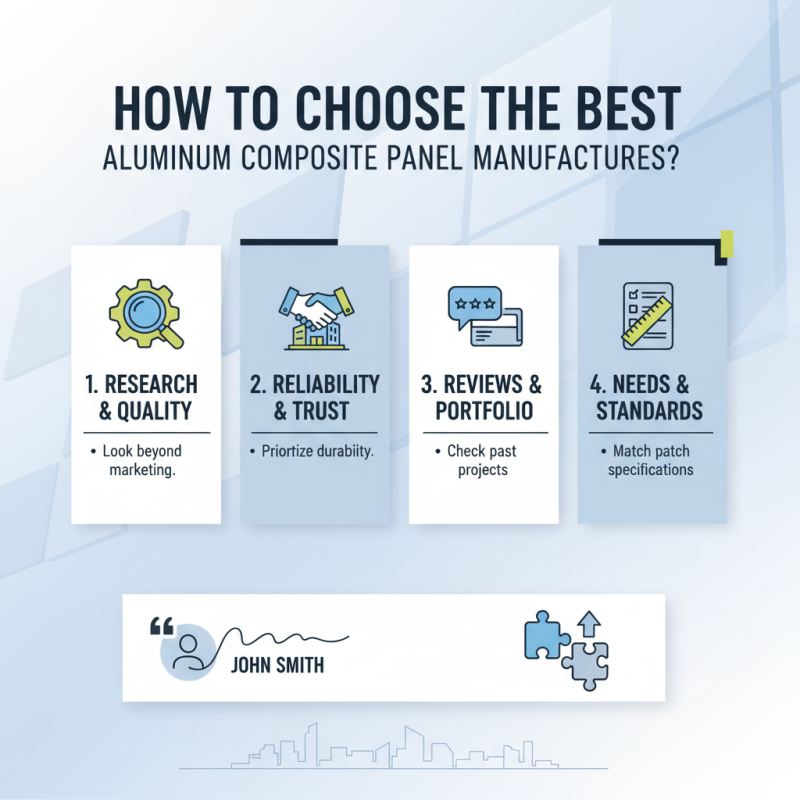
Choosing the right aluminum composite panel manufacturers can significantly impact your construction project. According to industry expert John Smith, “Quality panels start with the right manufacturer.” This underscores the need for careful selection.
The aluminum composite panel industry is diverse. Numerous manufacturers claim to offer the best products. It can be challenging to distinguish between quality and mediocrity. Some brands may have flashy marketing but lack dependable panels. Look beyond the surface to find manufacturers who prioritize quality and reliability.
Customer reviews and past projects can provide insights. A manufacturer’s portfolio often reveals their strengths and weaknesses. Don't be misled by impressive websites alone. Consider if they meet your specific needs and standards. Choosing wisely can be the difference between success and disappointment in your project.
Understanding Aluminum Composite Panels: Materials and Construction Standards
Aluminum composite panels (ACPs) are popular for their durability and aesthetic appeal. Understanding the materials and construction standards of ACPs is crucial. Typically, ACPs consist of two thin layers of aluminum enclosing a non-aluminum core. This core can be made of polyethylene or a mineral-filled thermoplastics.
Recent industry reports indicate that the global aluminum composite panel market is expected to grow significantly, surpassing $7 billion by 2026. This growth underscores the demand for high-quality materials.
Construction standards vary widely. Some manufacturers adhere to rigorous safety regulations, while others take shortcuts, potentially compromising quality.
A notable concern is the fire safety of ACPs. The National Fire Protection Association (NFPA) suggests that improper materials in ACPs can lead to catastrophic fires. Enhancements in construction standards are vital.
It's essential to scrutinize certifications and compliance with local regulations. Look for panels that meet ASTM standards, as they ensure a baseline of quality and safety. Ignoring these standards can lead to significant issues, not only in terms of safety but also in structural integrity and longevity.
Evaluating Manufacturer Certifications and Industry Recognitions
When selecting an aluminum composite panel manufacturer, evaluating certifications and industry recognitions is crucial. Certifications can indicate a manufacturer’s commitment to quality. They ensure that products meet specific standards. Look for certifications from recognized authorities. These can include ISO certifications, which show adherence to international quality management systems. Recognized industry standards help build trust.
Industry recognition also speaks volumes. Awards and accolades from reputable organizations suggest excellence. They may illustrate a manufacturer’s innovation and reliability. However, not all recognized products are top-tier. Some may have received awards for aesthetics alone. Evaluate the performance as well.
Visit manufacturers’ websites to check for claimed certifications. Sometimes, this information is hard to verify. Don’t hesitate to ask for documentation. Be aware that certifications can become outdated. Keeping track of recent changes is vital. A company may show impressive credentials but still have lapses in production. Assessing these factors can help ensure quality and durability.
Key Performance Metrics: Durability, Fire Resistance, and Thermal Insulation
When selecting aluminum composite panel manufacturers, consider key performance metrics like durability, fire resistance, and thermal insulation. Durability is essential for longevity. Panels should withstand harsh weather conditions. They must resist corrosion and fading. Look for products that have a solid warranty. This indicates manufacturer confidence.
Fire resistance is another crucial factor. Panels should meet safety standards. Resistant materials can prevent fire from spreading. Always check for certifications. This is vital to ensure safety in buildings.
Thermal insulation can impact energy efficiency. Good panels reduce heat transfer. They help maintain indoor temperatures. This can lower energy costs. Ask manufacturers about their insulation ratings.
Tips: Choose manufacturers with extensive experience. Verify their product testing results. Visit their facilities if possible. Check reviews and conduct thorough research. A well-informed decision leads to better outcomes.
Comparing Cost Factors: Pricing Models and Value Analysis of ACPS
When selecting aluminum composite panel (ACP) manufacturers, pricing is a key consideration. Many factors impact costs, including materials, design options, and production processes. Understanding these elements helps in making informed decisions. It’s vital to know the price structures manufacturers use. Some may offer quotes based on square footage, while others might have fixed prices per panel. This fundamental difference can influence overall project expenses.
Tip: Always request detailed quotes. This includes material costs and installation fees. Comparing several options can reveal hidden costs and better value.
Value analysis plays a significant role too. A lower price might seem appealing, but quality shouldn't be compromised. Investigate the durability and warranty of the panels. Sometimes opting for a slightly more expensive panel ends up saving money in the long run through fewer repairs.
Tip: Review manufacturer reviews and ask for samples. This can provide insight into their craftsmanship and durability claims. Pay attention to manufacturing processes, as eco-friendly options can also affect pricing and functionality. Balancing cost with quality takes time and effort.
Assessing Customer Reviews and Case Studies for Manufacturer Reliability
When selecting aluminum composite panel manufacturers, assessing customer reviews is crucial. Real experiences reveal insights about product quality and service reliability. Customers often share both positive and negative feedback. This can help you understand potential issues that may not be apparent at first glance. For instance, if multiple reviews mention delayed deliveries, it’s wise to consider this.
Case studies can also provide valuable information. They showcase how manufacturers handle specific projects. Look for detailed examples where the panels were used in challenging environments. Did the manufacturer meet the project timeline? Were they adaptable to changes? These details matter.
However, not all case studies are transparent. Some may present an overly polished view. It's important to demand honesty when analyzing these reports. Sometimes, data may seem positive but lacks context. A review could highlight a major flaw while ignoring other operational aspects. Always dig deeper and question the surface-level success stories. This approach will refine your decision-making.