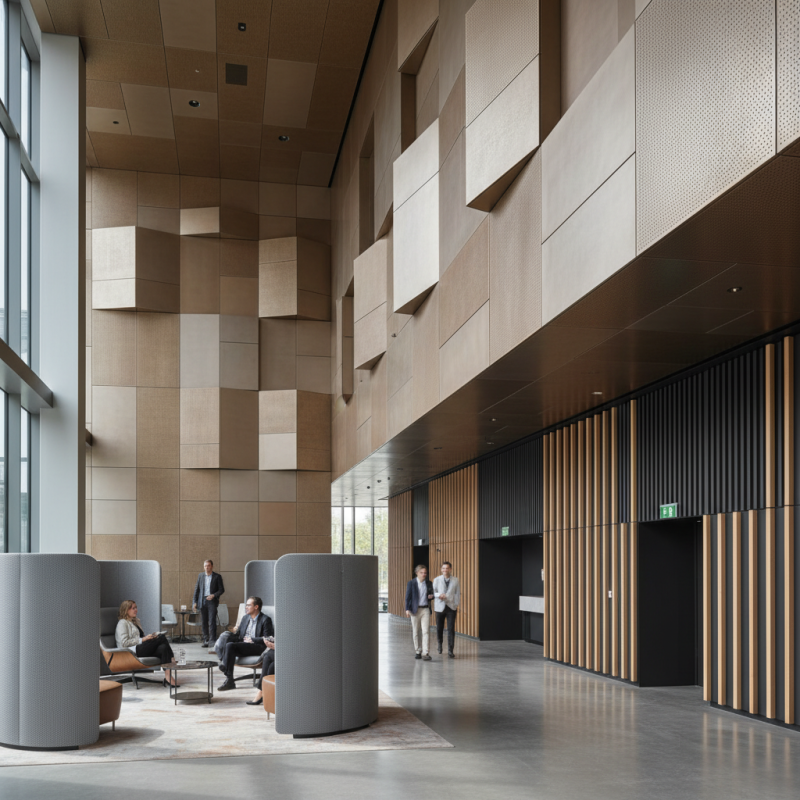
How to Choose Acoustic Metal Panels for Your Space?
Choosing the right Acoustic Metal Panels can transform a space. These panels are not just about aesthetics; they significantly impact sound quality. Daniel Morgan, an expert in acoustic design, states, "The right materials create harmony in any environment."
Acoustic Metal Panels offer durability and style. Their unique properties help absorb sound waves effectively. However, it is essential to consider the specific needs of your space. Not all panels work for every application. For instance, larger rooms may require different solutions than smaller, intimate settings.
Design choices also matter. The finish and color of Acoustic Metal Panels can influence not just sound, but also ambiance. Reflecting on your selections helps ensure the best outcome. Find the balance between functionality and design that truly serves your needs.
Understanding the Purpose of Acoustic Metal Panels in Sound Control
Acoustic metal panels play a crucial role in managing sound within various environments. They effectively reduce noise levels, creating a more pleasant atmosphere. In spaces like concert halls or recording studios, sound control is essential. These panels absorb sound waves, preventing echoes and reverberation. Choosing the right type is vital for achieving optimal performance.
When selecting acoustic metal panels, consider the intended use and space characteristics. The thickness, finish, and installation method can all impact sound absorption. For example, thicker panels generally provide better performance. It's also important to think about the aesthetics. If the panels clash with the room’s design, they might not be accepted by users.
Reflection is key here. Sometimes, the panels may not perform as expected. Test different setups in your space to find the right balance. Understand that achieving perfect sound control may require adjustments. Accepting this imperfection can lead to better outcomes in the end. Each decision shapes the acoustic experience, so take your time to evaluate your options carefully.
Identifying the Acoustic Requirements of Your Space
When choosing acoustic metal panels, understanding the specific acoustic requirements of your space is essential. Start by examining the room's purpose. Are you hosting meetings, or is it a recreational area? Each function impacts sound absorption differently. Use sound level meters to measure noise in various scenarios. It helps identify which frequencies dominate your space.
Consider the size and shape of your room. High ceilings can amplify sound reflections, while smaller spaces might concentrate noise. Test different panel placements to see what works best. Pay attention to surface materials. Some panels may not perform as expected. Experimenting with various textures can lead to different acoustic outcomes.
Evaluate how many panels you might need. A common mistake is underestimating the total required to achieve optimal sound quality. Soundproofing is often not perfect. You might need to adjust after installation. Even professionals sometimes overlook certain details. Stay flexible and open to modifications to achieve the best acoustic environment.
Evaluating Material Options for Acoustic Metal Panels
When evaluating material options for acoustic metal panels, it’s essential to consider their structural properties. Metal panels come in different compositions, like steel or aluminum, each offering unique sound-dampening qualities. Steel panels are robust and often provide stronger resistance to damage. Aluminum, on the other hand, is lightweight, facilitating easier installation and transport. However, they might not absorb sound as efficiently as heavier materials, which can be a significant drawback.
Another factor to consider is surface treatment. Various finishes, such as powder coating or anodizing, can enhance the panel's aesthetic appeal while affecting its acoustic performance. Darker surfaces might absorb more sound waves, while reflective materials can amplify the sound in the space. Some panels even come with perforated designs, allowing for better sound absorption. This can complicate choices, as you must balance design with functionality.
It's also vital to reflect on your specific space needs. Large, open areas may require robust acoustic solutions, while smaller rooms might benefit from lighter options. Be mindful that the best panel for one room might not work for another. Testing samples can help in making the right decision, as assumptions may lead to unsatisfactory results.
Design Considerations for Aesthetic Integration of Panels
When choosing acoustic metal panels, aesthetic integration plays a critical role. A report by the National Institute of Building Sciences noted that over 30% of occupants value design aesthetics alongside acoustic performance in indoor spaces. This correlation highlights the need for panels to blend seamlessly with existing decor.
Color, texture, and finish of the panels should complement the overall design scheme. For instance, metallic finishes can evoke a modern feel, while softer hues create warmth. Selecting coordinates that resonate with natural light patterns enhances visual appeal. It is worth noting that roughly 45% of designers recommend a combination of finishes to avoid monotony. However, excessive design disparity can lead to visual chaos.
Moreover, consider the scale of the panels relative to the room. Large rooms can accommodate larger panels or patterns, while smaller spaces benefit from smaller, more intricate designs. A study from the Acoustical Society of America found that misjudging scale can diminish the acoustic benefits, leading to an ineffective solution. Achieving the right balance demands a thoughtful approach, focusing not just on functionality but also on visual coherence.
Installation Techniques for Optimal Acoustic Performance
When installing acoustic metal panels, the techniques you use greatly impact their effectiveness. Properly applied, these panels can dramatically reduce noise levels, making spaces more comfortable and functional. According to a report by the Acoustical Society of America, poor installation can lead to a sound reduction that is up to 25% less effective than anticipated.
The placement of panels is key. They should be installed where sound reflections are most problematic, such as walls facing each other or corners. Using adhesive and mounting hardware can aid in securing the panels effectively. Research indicates that a staggered pattern can enhance sound absorption, as it allows for more varied interactions with sound waves.
Tips: Ensure surfaces are clean before installation. Consider using a sound meter to identify the best locations for placement.
Acoustic panels can sometimes be difficult to maintain due to dust and debris accumulation. Addressing this issue consistently is important for their effectiveness. Regular cleaning with a soft cloth can help. Additionally, ensure your panels are appropriate for your space; using improper types may lead to underperformance. Always reflect on your choices and adjust as necessary for optimal acoustic performance.
Acoustic Metal Panels Performance Comparison