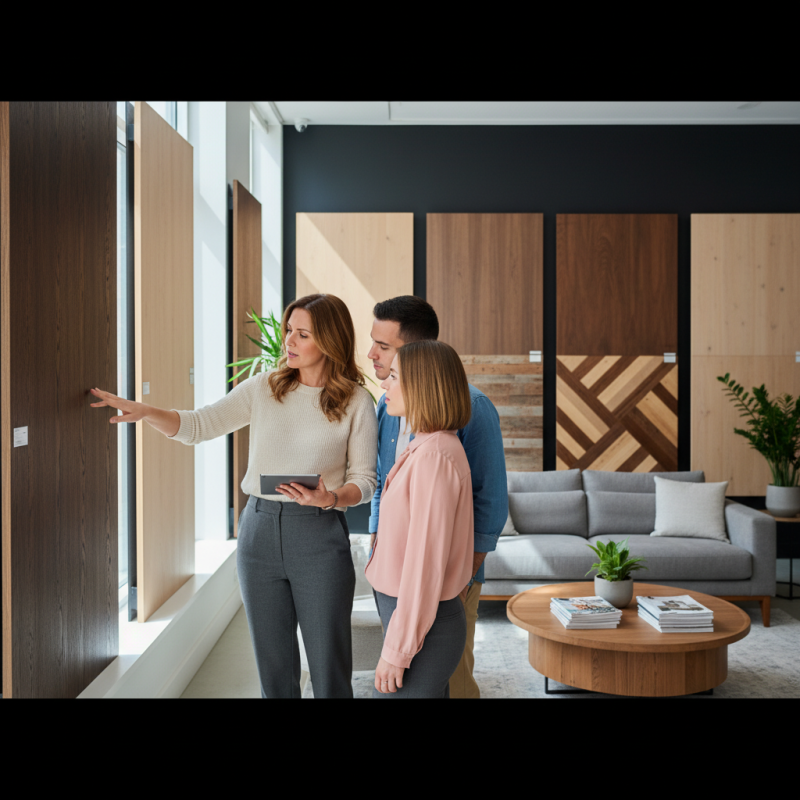
How to Choose the Best Wood Style Decorative Panel for Your Space?
Choosing the right Wood Style Decorative Panel can transform your space. Expert interior designer Sarah Jenkins states, "The right panel can define a room's character." This emphasizes the significance of making informed decisions in your selection process.
Wood Style Decorative Panels come in various textures, finishes, and designs. It’s essential to consider not just aesthetics but also functionality. For instance, a glossy finish may enhance light but can also require more maintenance. Reflecting on your lifestyle can guide your choices, ensuring the panel complements daily use.
When browsing options, be mindful of potential pitfalls. Sometimes, trends can overshadow personal taste, leading to choices that may not fit with long-term goals. Each panel tells a story; understanding that story can illuminate your path to informed decision-making.
Understanding the Different Types of Wood Style Decorative Panels
Choosing the right wood style decorative panel can transform a space. Understanding different types helps make an informed decision. Panels can be categorized mainly as veneer, plywood, and MDF. Each type has its unique characteristics and applications.
Veneer panels are thin slices of real wood. They showcase authentic wood grain but require careful maintenance. Plywood offers strength and flexibility, making it suitable for various designs. It can be finished in multiple styles. MDF (Medium Density Fiberboard) is budget-friendly. It's easy to work with but lacks the natural wood feel. Consider how each option impacts your design goals.
Tips: Always visualize your space before deciding. Take swatches home, and see how they look under different lighting. Think about the maintenance each material requires. Some might demand regular upkeep while others are low-maintenance. Reflect on your aesthetic ambitions. Choose materials that resonate with your vision, even if they are not conventional.
Evaluating Your Space for Suitable Decorative Panel Selection
When evaluating your space for decorative panel selection, consider the existing architecture. Is your space modern or traditional? The style of the room can guide your choice significantly. A sleek, contemporary design may benefit from minimalist panels. On the other hand, rustic styles often pair well with textured, rough-hewn wood.
Take a close look at the colors around you. The decorative panels should complement rather than clash with the surroundings. Neutral tones might work in most spaces, but a bold panel can make a striking statement. Ensure the materials and finishes resonate with other elements in the room. A mismatch can lead to visual chaos.
Don’t forget about scale. Large panels might overpower a small room, making it feel cramped. Conversely, tiny panels can get lost in a spacious area, looking insignificant. Take measurements before making any selections. Allow your personal taste to guide you, but be prepared to adapt. An informed choice considers both aesthetics and functionality, marrying them harmoniously within your space.
Identifying Your Desired Aesthetic: Rustic, Modern, or Traditional?
When selecting wood-style decorative panels for your space, the aesthetic you choose greatly influences the overall feel of the room. Rustic designs often incorporate natural textures and warm colors, evoking a cozy, homey vibe. According to a recent report from the National Wood Flooring Association, wood tones in rustic interiors are gaining popularity, with 42% of homeowners preferring earthier shades. These panels can create a serene atmosphere, especially in living rooms and dining areas.
In contrast, modern designs focus on sleek lines and minimalism. These styles often favor lighter wood shades and a clean finish. A study by the American Institute of Architects revealed that 38% of architectural trends lean towards modern aesthetics, emphasizing functionality without sacrificing style. However, such a stark look can sometimes feel cold or uninviting if not balanced well with other elements like textiles or colors.
Traditional wood-style panels, on the other hand, showcase intricate details and rich tones. This timeless aesthetic can add an air of sophistication, making spaces feel more formal. Despite their classic appeal, some find them overwhelming or too ornate for contemporary tastes. Selecting the right style requires careful consideration of your space and personal taste. Balancing aesthetics with practicality is crucial to achieving a harmonious design.
Considering Durability and Maintenance Requirements for Wood Panels
When selecting wood style decorative panels, durability and maintenance are crucial factors. Wood panels can vary significantly in their resilience to wear and tear. Hardwoods, like oak and maple, are generally more durable than softwoods. They provide excellent longevity, even in high-traffic areas. Yet, consider factors such as humidity and temperature.
Maintenance is another key aspect of ownership. Regular cleaning is essential to avoid the buildup of dust and grime. Some wood panels require periodic sealing or refinishing to maintain their beauty. Neglecting these maintenance tasks can lead to significant issues, like warping or fading. It's important to weigh the effort involved in upkeep against the aesthetics you desire. In a bustling home, a less porous wood may save you time and effort, while still offering a stunning visual appeal.
Budgeting for Your Wood Decorative Panels: Costs and Value Considerations
When budgeting for wood decorative panels, consider both costs and value. Wood panels come in various qualities and styles, impacting their price. The cost often reflects aesthetics, durability, and maintenance. Cheaper panels might initially seem appealing, but they can wear out quickly or require more upkeep. Investing in higher-quality panels can save money over time.
Check the source of the wood. Sustainable options may cost more upfront but offer long-term benefits. Reclaimed wood is an eco-friendly choice, adding character to your space. On the other hand, manufactured panels can be less expensive but might lack uniqueness. Knowing the material’s origin and its impact helps in making an informed decision. A panel’s finish and treatment also affect cost. Some finishes enhance durability while others emphasize natural beauty.
Consider the installation process as well. Hiring a professional can add to expenses. DIY installation might save money but can lead to mistakes if you're inexperienced. Measure your space carefully and plan your design thoughtfully to avoid costly errors. Balancing budget with quality requires careful thought, but the right panels can transform your space and provide lasting value.