How to Choose the Best Mini Homes for Your Lifestyle and Budget?
Choosing the right mini homes for your lifestyle and budget can feel overwhelming. Renowned expert in the mini homes industry, Sarah Johnson, once said, “Mini homes are not just about size; they reflect personal choices and values.” This statement reminds us that the essence of mini homes goes beyond their physical dimensions.
Every individual has distinct needs and financial limits. Mini homes offer various styles, from modern to rustic, catering to diverse tastes. However, finding one that fits can be challenging. It’s essential to assess how you live and what you can afford. Many forget to consider long-term costs, like maintenance and utilities. While a smaller space may seem cheaper initially, these aspects can add up.
Reflecting on your lifestyle is crucial. Are you a minimalist or someone who enjoys hobbies that require space? Striking a balance between comfort and affordability can be tough. Your mini home should resonate with your life choices. A hasty decision might not offer the fulfillment you seek. Taking the time to research and evaluate your options will ultimately lead to a better fit for your dreams and realities.
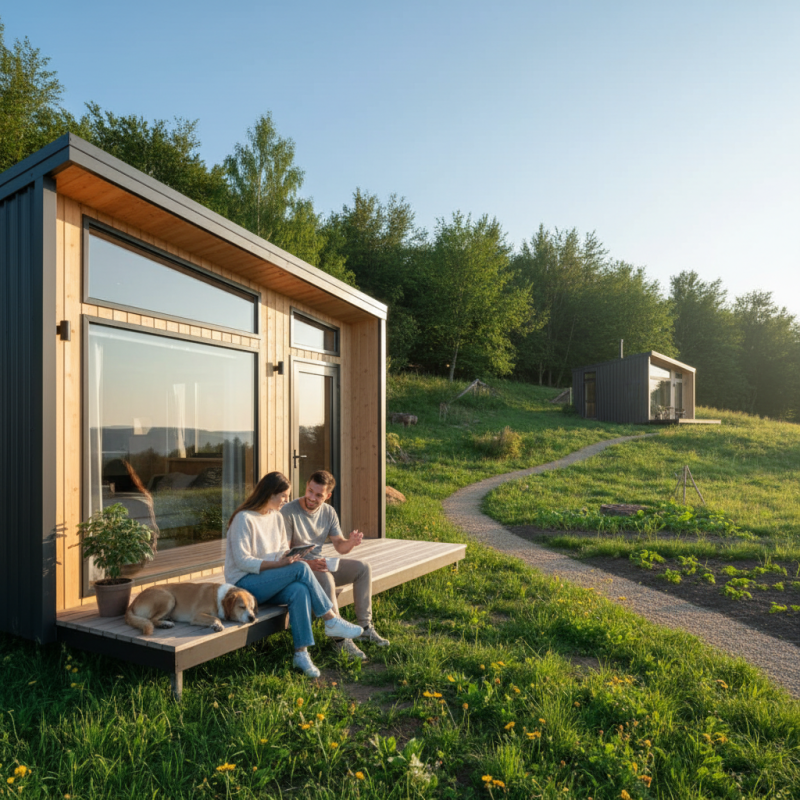
Understanding Your Lifestyle Needs for Mini Homes
Choosing the right mini home starts with understanding your lifestyle needs. What do you value most? Minimalism might guide your choice. According to a recent industry report, 30% of buyers seek smaller spaces for reduced maintenance and costs. Think about how you live. Do you work from home? You may need a dedicated space.
Consider your daily routines. If you enjoy cooking, a well-equipped kitchen is essential. Many mini homes now feature efficient layouts. These designs can maximize space in just 300 square feet. Yet not all designs suit every lifestyle. Some designs might compromise comfort for aesthetics. Reflect on what aspects are non-negotiable for you.
Tip: Make a list of your essential features. This helps prioritize your search. Explore options that allow flexibility. You might find a mini home that grows with you. Designs should cater to your lifestyle changes over time. Embrace adaptability in your housing choice. Flexibility can be the key to a rewarding mini home experience.
Setting a Realistic Budget for Your Mini Home Purchase
Setting a realistic budget for your mini home purchase is essential. Begin by assessing your financial situation. Calculate your savings, monthly income, and existing debts. This can help define what you can afford without financial strain.
Consider all expenses. Don't just look at the price of the mini home itself. Include land costs, utilities, and maintenance. These details can add up quickly, impacting your overall budget. For example, a low home price might hide high land rental costs.
Tips: Create a spreadsheet. List all potential expenses. Adjust your budget based on real-life costs. Research financing options as well. Sometimes, loans for mini homes differ greatly. Explore various lending institutions, as this can affect your budget. Reflect on what you really need versus what you want. It’s tempting to overspend on features. A practical approach leads to long-term satisfaction.
Exploring Different Types of Mini Homes Available
When exploring mini homes, it's essential to understand the different types available.
Tiny houses
are popular for their compact design. They usually range from 100 to 400 square feet.
These homes often feature multi-functional furniture. The small space may feel limited, yet it encourages creativity in organization.
Another option is park model homes. They are slightly larger than tiny homes, often ranging from
400 to 500 square feet. Park models can be moved but are frequently placed in designated areas.
They offer more amenities, which can feel luxurious in a smaller space. Think about the trade-offs.
Can you maintain a minimalist lifestyle in a park model?
Mobile homes are a versatile choice. They offer the convenience of mobility while providing ample living space.
However, quality can vary significantly. Poor construction and low energy efficiency may lead to higher costs over time.
Evaluate options carefully. Assess your lifestyle needs and budget; this decision impacts long-term satisfaction.
Evaluating Location and Community Features
Choosing the right location for a mini home is crucial. A great community can enhance your lifestyle. Look for neighborhoods that align with your interests and hobbies. Access to parks, trails, and social hubs can make a big difference. Consider proximity to work, shopping, and dining options. A short commute can save you time and reduce stress.
Community features also matter. Some areas prioritize green spaces and recreational facilities. Others may focus on providing amenities, like gyms or community gardens. Have a clear vision of what you want. It helps narrow down your choices. Talk to residents if possible. Their insights can reveal aspects you might overlook.
Reflect on your needs and desires. Do you prefer a quiet street or a bustling environment? Some may crave a close-knit community, while others value independence. Striking a balance between lifestyle and budget is vital. Be realistic about costs. Higher amenities often come with a price tag. Finding that sweet spot requires careful thought and planning.