10 Best Foldable Homes for Sustainable Living in 2026?
As we look ahead to 2026, foldable homes are gaining attention in sustainable living. These innovative structures offer flexibility and efficiency. They can adapt to various environments, making them ideal for diverse lifestyles.
Imagine a compact home that unfolds in minutes. This transformation leads to a space that fits your needs. Foldable homes utilize eco-friendly materials and smart technology. They reduce energy consumption while providing comfort. However, some designs may overlook crucial elements like natural light and space for family activities. It's essential to evaluate these aspects carefully.
Embracing foldable homes means reconsidering traditional housing norms. Many view them as a trend, while others see a potential way forward. Yet, questions remain about durability and long-term living conditions. As we explore the ten best foldable homes, we must reflect on their implications for our future.
Overview of Foldable Homes and Their Role in Sustainable Living
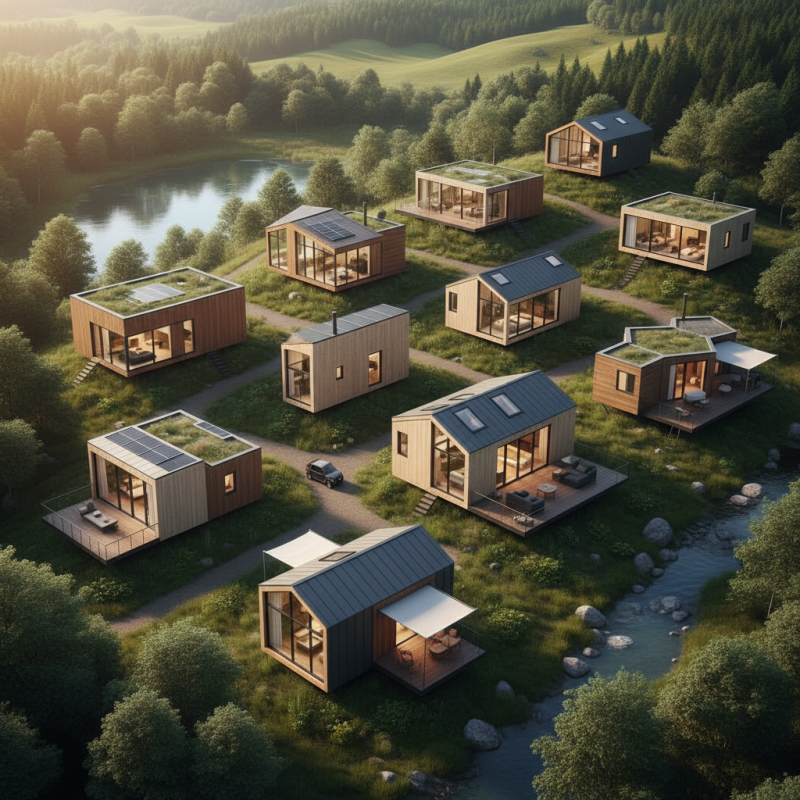
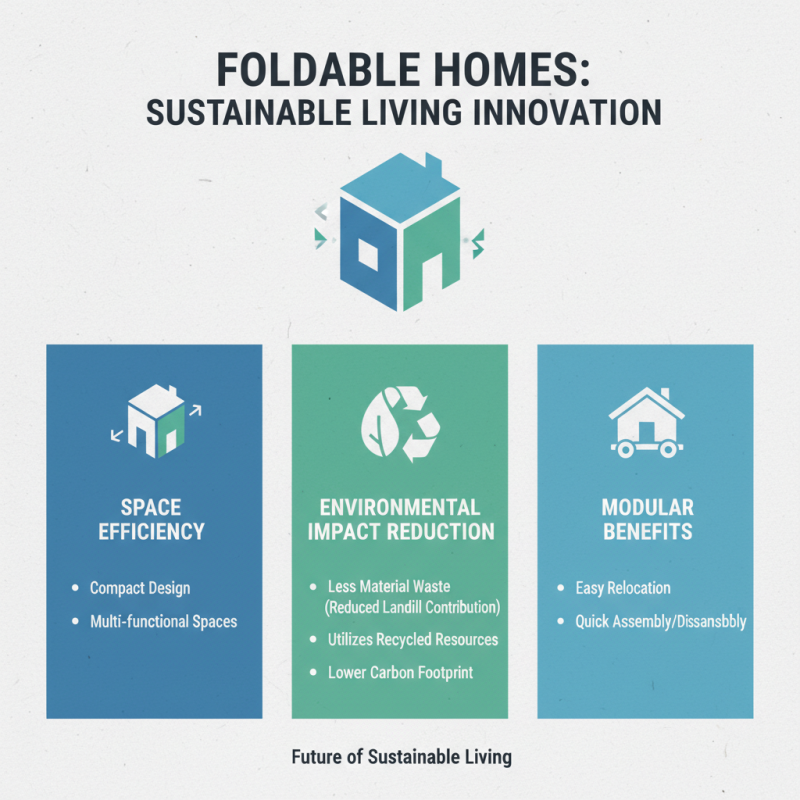
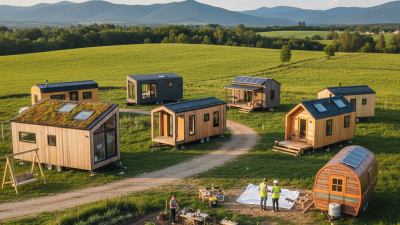
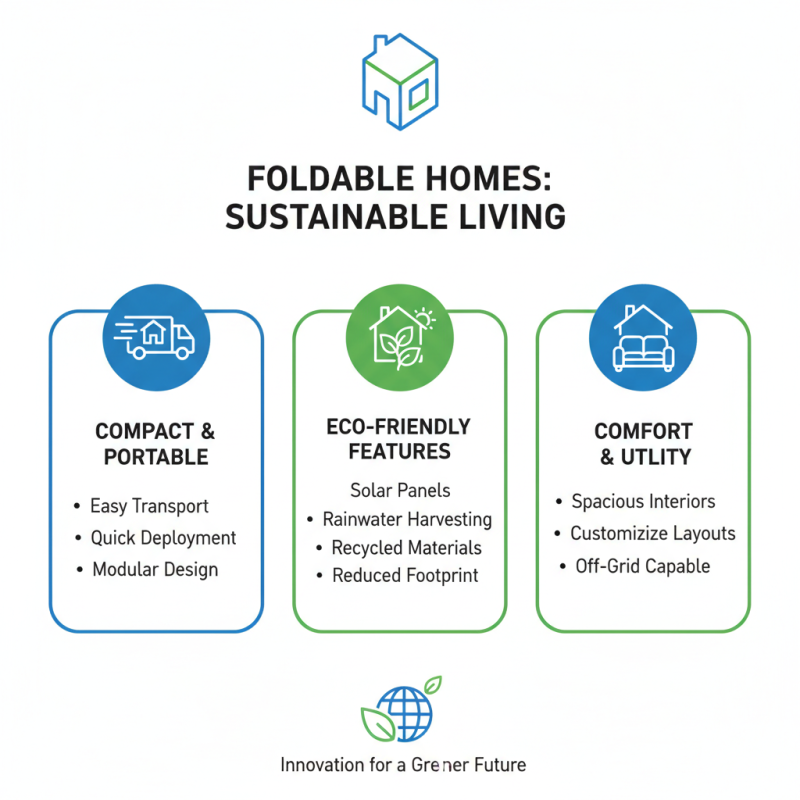
Foldable homes represent a transformative approach to sustainable living. These innovative structures efficiently utilize space while minimizing environmental impact. According to recent industry reports, the construction waste associated with traditional homes contributes significantly to landfills. Foldable homes address this issue by using fewer materials and often utilizing recycled resources. The modular nature of these homes also allows for easy relocation and reduced ecological footprints.
It's essential to consider energy efficiency when choosing a foldable home. Many models are designed with solar panels and highly insulated materials. Statistics indicate that homes equipped with solar technology can reduce energy costs by up to 70%. This substantial decrease supports both individual savings and broader environmental goals.
Tip: When exploring foldable homes, ask about their energy certification. This can guide you in making a more informed choice.
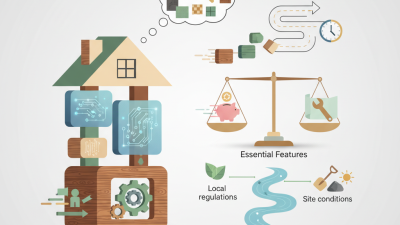
Despite their advantages, some foldable homes may face challenges regarding zoning laws or resale value. Not all areas readily accept these structures, which can complicate placement. Adequate research is key to navigating these potential hurdles. Engaging with local authorities can provide insights into permissible sites and necessary permits.
Tip: Document your research process. Keeping a record can save time and reduce stress when acquiring permits. This preparation is invaluable in ensuring a smooth transition to sustainable living.
Top 10 Foldable Home Designs for a Sustainable Future in 2026
Foldable homes are gaining traction as a viable solution for sustainable living. By 2026, innovative designs will likely prioritize both eco-friendliness and space efficiency. A recent report indicated that approximately 70% of millennials favor modular housing options. These homes utilize sustainable materials, such as recycled steel and bamboo, reducing environmental impact. Their portability also addresses the increasing demand for adaptable living solutions.
When considering foldable homes, it's essential to focus on energy efficiency. Look for designs featuring solar panels and energy-efficient appliances. Many models come with built-in water recycling systems, saving valuable resources. It's also vital to assess the durability of materials used. While some may choose cheaper options, investing in quality can result in long-term benefits. Remember to consider zoning regulations, as some areas may have restrictions on the use of portable structures.
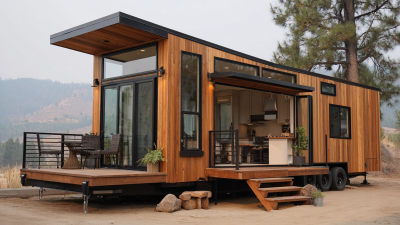
Tips for choosing the right foldable home include evaluating size against your lifestyle needs. A smaller space can encourage minimalism but may feel cramped over time. Consider your location's climate and choose designs that withstand local weather conditions. Seek designs that allow for easy expansion or reconfiguration as your needs change. Anticipating these factors can greatly enhance your sustainable living experience.
Top 10 Foldable Home Designs for a Sustainable Future in 2026
Benefits of Living in a Foldable Home: Environmental and Economic Impact
The concept of foldable homes is gaining momentum. These innovative structures offer significant benefits for sustainable living. According to a report by the World Bank, traditional housing contributes to around 30% of global carbon emissions. In contrast, foldable homes can reduce this footprint by up to 50%. This reduction is largely due to their lighter materials and energy-efficient designs.
Economically, foldable homes can be more accessible. The initial investment may be lower, with estimates showing costs can be reduced by 40% compared to conventional homes. Additionally, they often require less land space. This can lead to lower utilities and maintenance costs over time. However, challenges remain. Not all foldable homes can withstand severe weather conditions, raising concerns about durability.
Living in a foldable home can feel different. The compact space may lack the luxury of conventional homes. Residents often have to adapt to living minimally. This can promote a more sustainable lifestyle but may also require a cultural shift. The balance between comfort and environmental responsibility is a complex one, necessitating continuous reflection on our priorities.
Future Trends in Foldable Homes and Sustainable Architecture Innovations
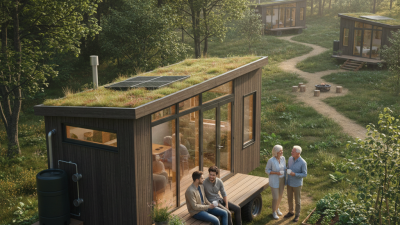
The world is moving toward sustainable living. Foldable homes are becoming a popular choice in modern architecture. These homes can adapt to various environments and reduce carbon footprints. In 2026, we will likely see designs that prioritize energy efficiency. Large windows, solar panels, and green roofs will be common features. These elements harness natural resources effectively.
Yet, there are challenges to consider. Not every foldable home is affordable or accessible. Some designs may not suit all climates. There's a risk of sacrificing comfort for compactness. Space-saving solutions might lead to cramped living conditions. Individuals need to reflect on these trade-offs when choosing a foldable home.
Sustainable materials will play a vital role in this innovation. Recycled and eco-friendly resources are key to future designs. However, sourcing these materials sustainably requires careful planning. Builders must think critically about their environmental impact. Foldable homes present an exciting opportunity, but we must address their limitations and ensure inclusivity for all lifestyles.