
Air Picks are compact pneumatic tools designed to break, chip, or loosen hard materials. They resemble narrow chisels with a rapid internal striking action. Compressed air enters through the tool’s inlet. It drives a piston forward and returns it repeatedly. That motion transfers force into the attached pick or chisel.
The result is concentrated impact rather than continuous spinning. This makes Air Picks useful for removing scale, separating bonded materials, cleaning castings, and reaching tight spaces. Pneumatic-tool engineer Eric R. Larson explains, “An air pick works best when controlled impact meets the right tip, pressure, and working angle.” His observation highlights an important detail: power alone does not guarantee effective work. Tip shape, hose size, lubrication, and operator technique also influence performance.
In practice, the tool can feel deceptively simple. It is not.
A technician may hear a sharp tapping rhythm while guiding the point across a rough metal surface. Excessive pressure can reduce movement and increase fatigue. Incorrect air pressure may also cause weak performance or premature wear. Always check the manufacturer’s specifications, inspect fittings, and use suitable eye and hearing protection. These steps support safer, more consistent operation.
The explanation above is useful, but not complete. Different Air Picks vary in stroke length, impact rate, weight, and intended material. A compact model may offer better control, while a heavier version delivers stronger impact. Understanding those differences helps readers choose responsibly and use the tool with realistic expectations.
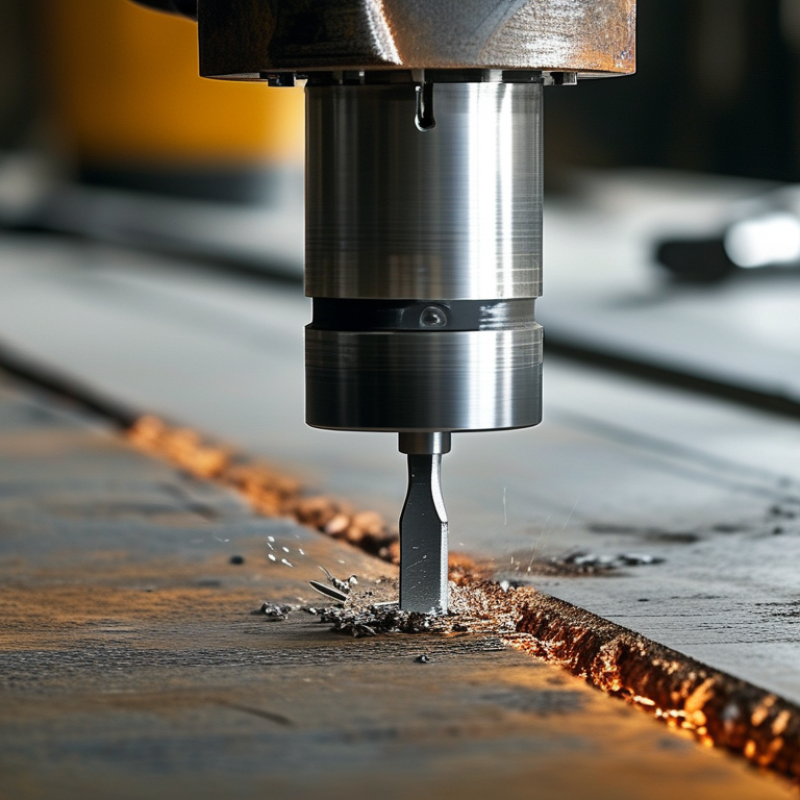
Air picks are compact pneumatic tools designed for controlled breaking and chipping. They use compressed air to move an internal piston rapidly. The piston strikes a fitted bit, transferring force into concrete, masonry, asphalt, frozen soil, or hardened material. Their narrow shape helps workers reach corners and confined spaces more easily than larger breakers.
Construction crews may use them to remove mortar, open small sections of concrete, clear packed soil, or repair damaged surfaces. Maintenance workers also use them for scaling deposits from metal structures and loosening stubborn material. The tool feels powerful, but control matters more than force. A sharp bit, steady grip, and suitable air pressure usually produce cleaner results. Excessive pressure can increase vibration and wear without improving performance. That detail is easy to overlook.
Check the hose, couplings, bit, and safety latch before work. Wear eye, hearing, hand, and foot protection. Keep both hands positioned securely, and avoid pointing the tool toward anyone. Start with light contact, then increase pressure gradually. Short work periods can reduce hand fatigue. Lubrication also matters, although the correct method depends on the tool’s design. Read the manufacturer’s instructions instead of guessing. Air picks are useful, but they are not magic. Difficult material may require a different bit, slower movement, or another tool entirely.
An air pick is a compact pneumatic percussion tool. Its structure resembles a short metal cylinder with a pointed working end. The main parts include the housing, air inlet, trigger valve, piston, cylinder, retainer, and tool bit. A muffler may sit near the exhaust port. It reduces noise and directs expelled air away from the operator.
Compressed air enters through the inlet and pushes the piston forward. The valve then redirects air behind the piston. This repeated pressure cycle creates rapid blows against the bit. The retainer keeps the bit aligned during impact. Fit matters. A loose retainer can cause uneven strikes, faster wear, and dangerous movement. Regular inspection should check hose damage, valve response, piston lubrication, and bit deformation.
Noise and vibration need equal attention. NIOSH’s Criteria for a Recommended Standard: Occupational Noise Exposure identifies 85 dBA over eight hours as a recommended exposure limit. OSHA permits 90 dBA over eight hours under its regulation, 29 CFR 1910.95. These figures are not permission to ignore louder short-term work. HSE guidance also sets hand-arm vibration action at 2.5 m/s² A(8), with a 5.0 m/s² limit. Air picks can feel manageable for several minutes, yet repeated use changes the risk. A practical control plan should include hearing protection, vibration-rated gloves, shorter operating intervals, and maintenance records. The gloves alone are not enough. Source data: NIOSH, 1998; UK HSE, L140.
What Are Air Picks and How Do They Work?
How Compressed Air Powers an Air Pick
An air pick is a compact percussive tool for breaking hard materials. It uses compressed air, not an electric motor, to create repeated impacts. The tool connects to an air compressor through a flexible hose. Inside the housing, a control valve directs pressurized air against a sliding piston. That piston strikes the working bit, then returns as the valve changes the airflow path. The cycle repeats many times per second.
Compressed air does the real work. Pressure pushes the piston, while airflow keeps the cycle moving. A narrow, damaged, or excessively long hose can reduce performance. This detail is often overlooked. The compressor must provide suitable pressure and enough air volume for the tool’s duty rate. Too little air causes weak blows and stalling. Too much pressure can increase wear and create unsafe operating conditions.
The bit transfers each impact into concrete, masonry, compacted soil, or similar material. Exhaust air leaves through ports near the tool body, often carrying heat and fine moisture away. Clean, dry air helps protect internal parts. Proper lubrication may also be required, depending on the tool design. Operators should inspect the hose, fittings, retaining parts, and bit before use. Eye, hearing, hand, and foot protection remain essential. In practice, users sometimes focus only on impact force. Control matters more than it seems. A steady stance and correct bit angle improve accuracy, reduce fatigue, and help prevent unexpected movement.
An air pick converts compressed air into repeated mechanical impacts. Air enters a cylinder and pushes a piston forward. The piston strikes the tool bit, then returns as airflow changes direction. This cycle can occur hundreds or thousands of times per minute, depending on the tool design and operating pressure.
That impact matters. The bit concentrates force into a small contact area, creating compressive stress beneath the surface. Brittle materials, such as concrete or masonry, develop cracks around that stress zone. The operator then guides the bit along those cracks, allowing chips to break away. Softer materials may deform before they fracture, so removal becomes slower and less predictable. A sharp bit improves energy transfer. A worn bit mostly creates heat, vibration, and frustration.
The U.S. Department of Energy’s Compressed Air Sourcebook states that compressed-air systems may consume about 10% of industrial electricity. It also reports that leaks can waste 20% to 30% of compressor output. An air pick does not use energy perfectly. Poor hose sizing, pressure loss, or a damaged fitting can reduce impact strength before air reaches the cylinder. OSHA requires pneumatic tools to use secure hose connections and suitable retainers, while NIOSH identifies 85 dBA as a recommended exposure limit for workplace noise. In real work, pressure alone is not the answer. Feed angle, bit condition, material thickness, and operator control all change the fracture pattern. Sometimes the cleanest chip still comes from slower work.
Air picks are compact pneumatic tools that convert compressed air into rapid piston strikes. The piston drives a pointed pick, chisel, or blunt attachment into hard material. Unlike electric breakers, they rely on an air compressor, hose, valve, and correctly fitted couplings. Their narrow profile helps operators work around pipes, corners, and uneven surfaces. The tool may look simple, but that assumption can cause mistakes.
Key types include pointed picks for breaking compacted soil and masonry, chisel attachments for cutting mortar or concrete edges, and blunt tools for loosening stuck materials.
Common applications include repair work, foundries, construction sites, and maintenance areas. Experienced users match the attachment to the material, rather than forcing one tip everywhere.
For example, a sharp point may penetrate concrete, while a wider chisel offers better control for surface removal. Results depend on air pressure, tool condition, and operator technique.
Tips: Wear eye, hearing, hand, and foot protection. Inspect the hose, fittings, trigger, and attachment before use. Secure loose workpieces and keep both hands away from the striking area. Start with controlled pressure, keeping the tool aligned with the surface. Never point an air pick at anyone, even when disconnected. Shut off and release air pressure before changing attachments or clearing a jam. The tool can jump unexpectedly. Even trained operators may rush when work slows, so short breaks and a careful stance remain important.